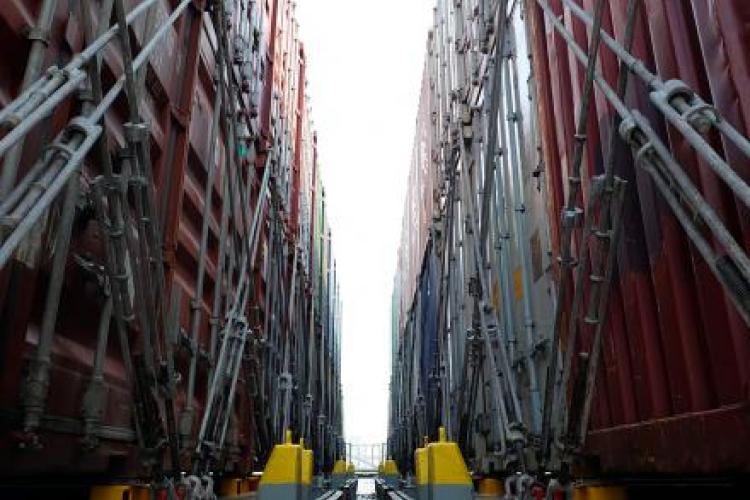
"Container Lashing" - What do we understand from this, and how does it ensure the safety of vessels in the high seas?
In 2019, the shipping industry carried 226 million containers across the globe with cargo valued at over US$4 trillion. It’s interesting to observe that between 2008 and 2019, on average1382 containers, sank into the sea every year due to stack collapses. This brings us to the question – What causes container collapses, and how can we exercise better control over such incidents?

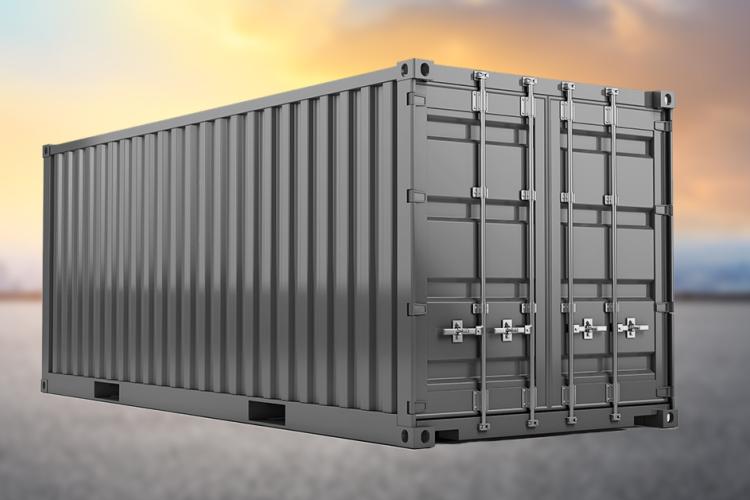
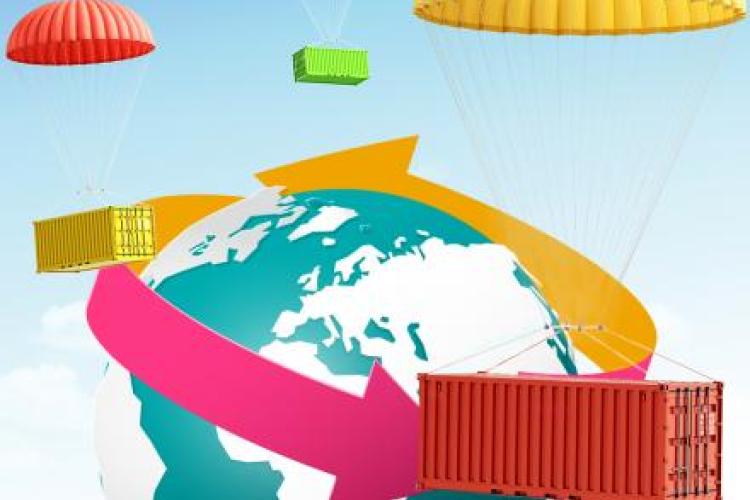
Do you know what are “One-way containers” and “One-trip containers”?
Think of a scenario where a container owner places his empty containers at another location without having to incur the usual freight charges that would apply for empty container repositioning. Will this not sound profitable to the container owner? Well, this is indeed what is achievable when a container-owning company transports containers as “One-way containers” and “One-trip containers” to other locations. Let’s go a little deep to understand how this works.
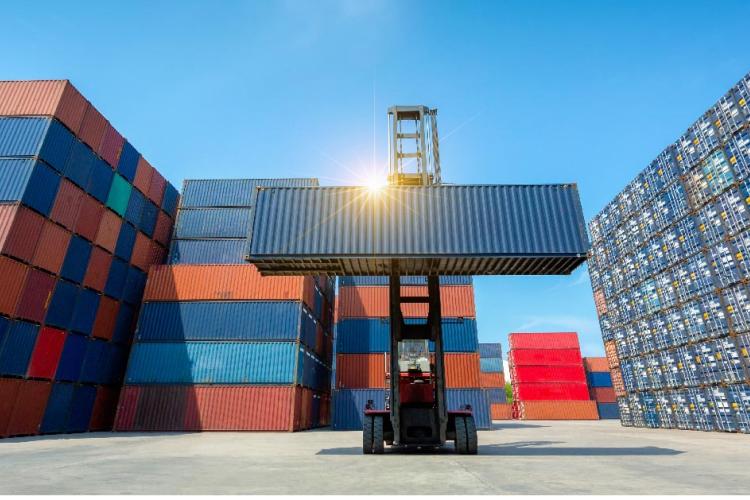
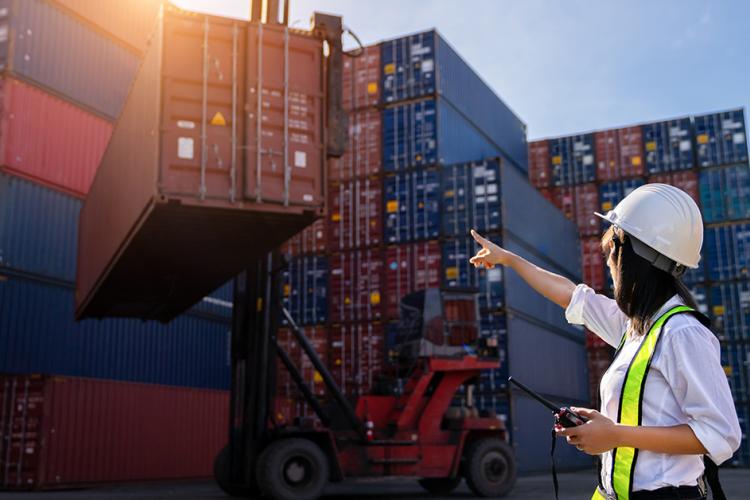
WHAT ROLE DOES A CONTAINER FREIGHT STATION PLAY IN THE SUPPLY CHAIN?
Consolidation and deconsolidation of cargo prior to import and export are crucial elements in the supply chain process. Here, we review the world of "Container Freight Stations" that contributes to efficient sorting of goods and relieves bottlenecks at container ports and terminals.
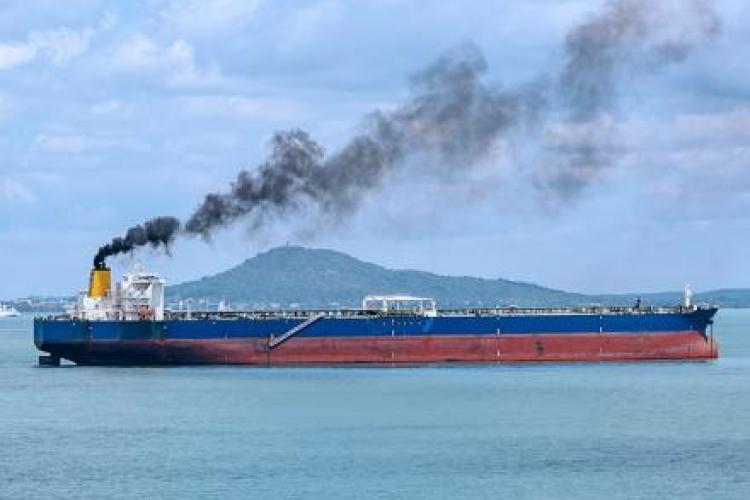
Shipping Emissions – how to prevent maritime pollution
Let’s begin by figuring out the magnitude of atmospheric pollution caused by the maritime industry from an example. Barely 15 large mega-ships account for an equivalent amount of pollution as caused by 760 million cars in the world. Today, shipping is the sixth biggest contributor of emissions and accounts for 2.5% of global greenhouse gases. It is estimated that the maritime industry emits approximately 940 million tons of carbon dioxide annually.
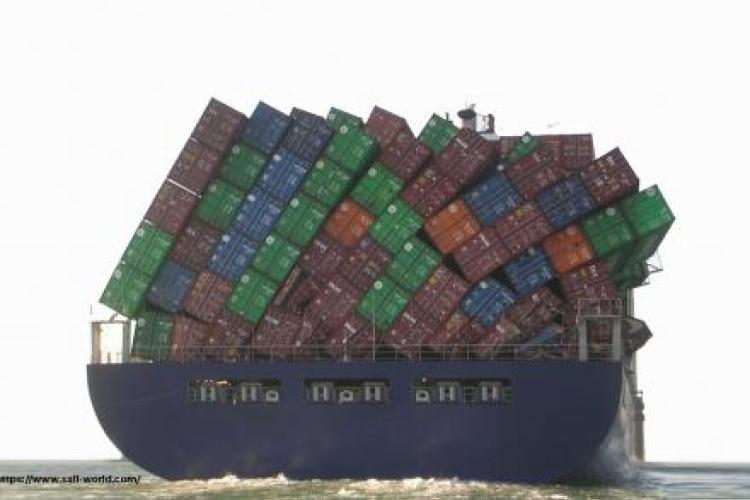
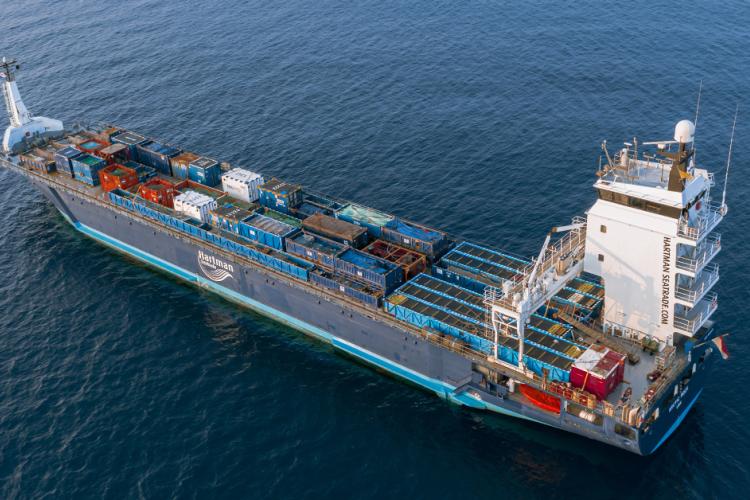
Have you ever wondered why container-stacks collapse at sea?
According to the World Shipping Council, between 2008 and 2019, an average of 1382 containers was lost at sea each year. This adds up to a staggering 16,584 containers lost during the period.
Management of Empty Container Repositioning
Every year, moving empty containers costs the shipping industry in excess of 20 billion dollars, according to Boston Consulting Group. This equates to 12% of the shipping industry’s operating costs.
Empowering Women in the Maritime Community
Visualize a world where a woman is a master, chief officer or chief engineer with control over the course and destiny of a ship. The maritime industry is beginning to realize the need to bring about gender diversity in different fields of their activities.
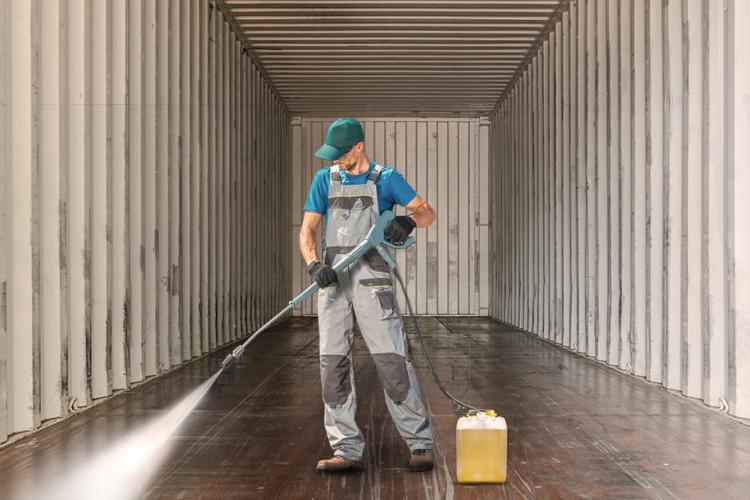
Shipping Container Cleaning Procedures
Shipping Containers pass through varied climatic conditions & environments and are subject to severe weather on the seas and ports. They come in contact with harmful pathogens like mold, bacteria and viruses together with pollen, liquids and other dangerous material.
Container Stowage Planning and its Importance
Weight distribution in container stacks directly affects a vessel’s stability.
Ballast Water Management
Ballast Water can cause serious ecological imbalances due to the release of non-native marine species in coastal areas.
Subscribe to