The Evolving Role of 20ft and 40ft Containers
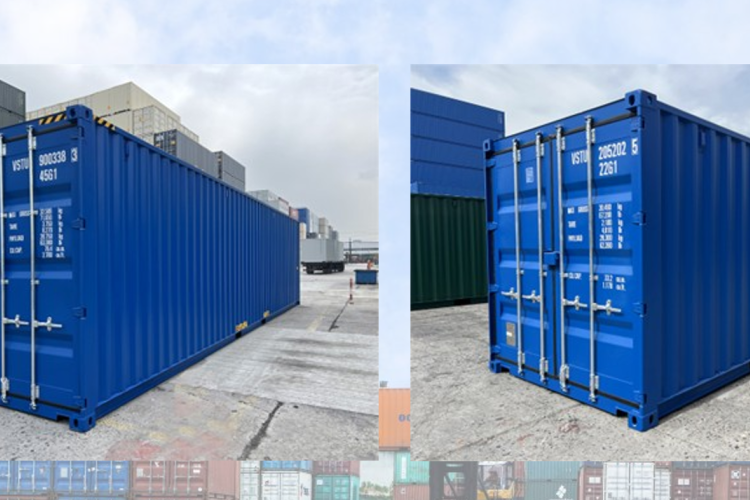
Among all standardized container formats, 20ft and 40ft containers remain the most widely used, but their roles within the global logistics ecosystem have evolved significantly. Today, 40ft containers dominate modern volume-driven trade, supporting the majority of international cargo movement. Meanwhile, 20ft containers continue to play an essential but increasingly specialized supporting role, particularly in weight-sensitive and access-restricted shipments. This shift reflects changes in port automation, intermodal transport systems, sustainability goals, and commercial shipping strategies.
Dry Runs in Logistics: The Hidden Cost of Empty Moves in Global Trade
In the rapidly evolving world of global freight logistics, efficiency is everything. Yet one hidden operational issue continues to increase costs, emissions, and inefficiencies across the container supply chain - the dry run. While often overlooked, dry runs play a significant role in rising freight expenses, carbon emissions, and equipment imbalance worldwide. Understanding what a dry run is and how it affects logistics operations is essential for shipping lines, NVOCC operators, and cargo owners working toward freight cost optimization and sustainable container solutions.
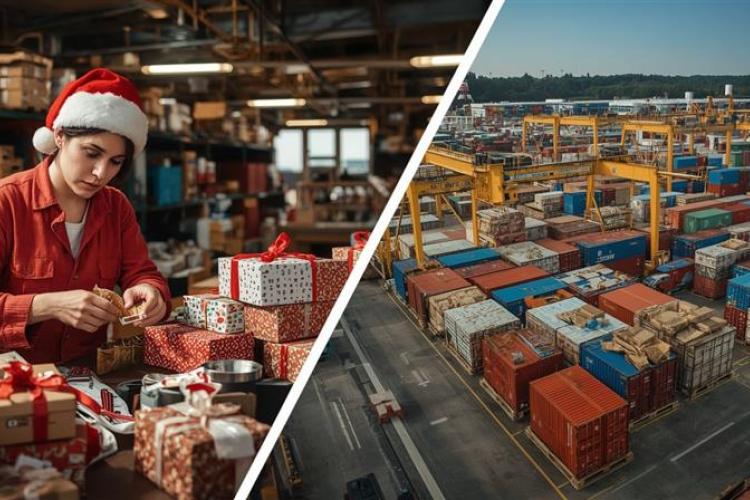
From Handcrafted Gifts to Global Supply Chains: How Logistics Transformed the Festive Season
Festive celebrations around the world have always revolved around joy, tradition, and the exchange of gifts. But behind today’s global holiday shopping season lies a vast and sophisticated logistics network. What began centuries ago as locally handcrafted goods sold in village markets has evolved into a highly coordinated system powered by container shipping solutions, digital platforms, and multimodal supply chains. Today, the festive season is driven not just by creativity and culture - but by complex global freight logistics that keep products moving smoothly across continents.
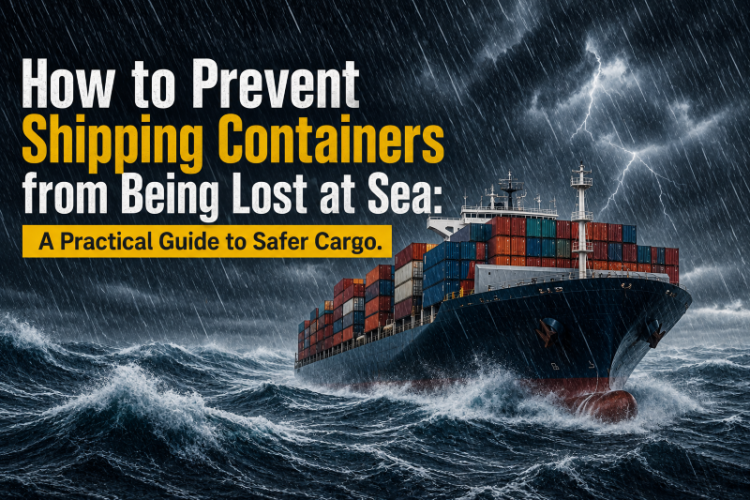
The Impact of Adverse Weather on Container Logistics: Preparing for Storms, Monsoons and Extreme Conditions
The global container shipping industry operates in an environment that is constantly shaped by nature. Storms, monsoons, cyclones, fog and extreme winter conditions can strike without warning, disrupting supply chains across continents. For companies engaged in shipping container leasing, multimodal logistics, intermodal transport, NVOCC operations and international freight movement, adverse weather is far more than a seasonal challenge - it is a strategic risk that directly influences operational reliability, container availability and customer commitments. As climate events grow increasingly unpredictable, ensuring cargo safety and maintaining smooth container supply chain operations have become critical priorities.
Vessel Sizes Explained: From Feeder Ships to Ultra-Large Container Vessels
In container shipping, size matters! Not just for scale, but for which ports a ship can serve, which trade lanes it can ply, how much cargo it can carry, and what cost efficiencies it can achieve. As vessels grew over the decades, the shipping industry adopted size categories (measured in TEU and physical dimensions) to classify container ships. Understanding categories like feeder, Panamax, Neo-Panamax, and ULCV helps shippers and ports align expectations, infrastructure, and strategy.
Understanding Different Types of Cargo Vessels: Matching Ships to Shipments
In the vast world of maritime logistics, not all vessels are built the same. From carrying liquid fuels to heavy machinery, each vessel type is designed to serve a specific purpose and cargo category. Understanding these vessel types helps shippers, freight forwarders, and logistics providers choose the most efficient and cost-effective way to move goods across the world. Let’s explore the main types of cargo vessels and the kinds of cargo they typically carry.
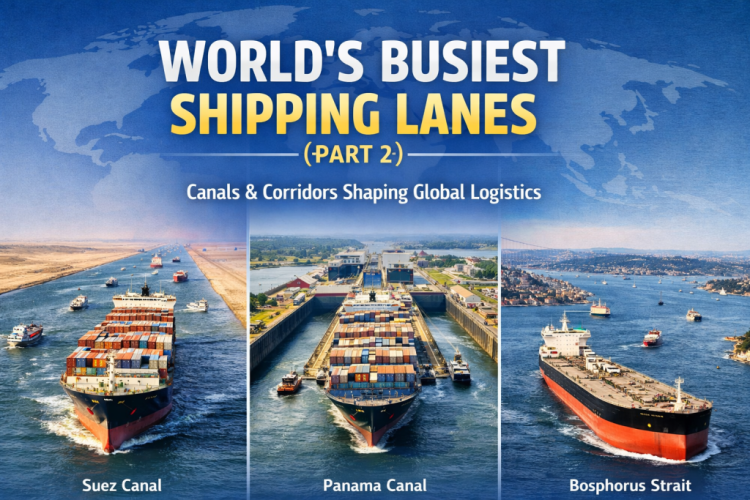
Why Container Shipping Routes Are Shifting from the Suez Canal to the Cape of Good Hope
The Suez Canal has long been one of the most critical arteries for global trade, carrying close to 12% of international goods annually. Yet in recent months, many container shipping lines have chosen to reroute their vessels around the Cape of Good Hope. While this path is longer and more expensive, the shift reflects a strategic choice that prioritizes safety, reliability, and business continuity.
The Impact of 5G Technology on Port Automation
The maritime industry is undergoing a digital transformation, with automation playing a crucial role in enhancing port operations. One of the key enablers of this transformation is 5G technology, which offers ultra-fast data transfer, low latency, and seamless connectivity. As ports adopt automation, the integration of 5G networks is revolutionizing communication, real-time monitoring, and operational efficiency.
The World's Most Strategic Ports and Why They Matter
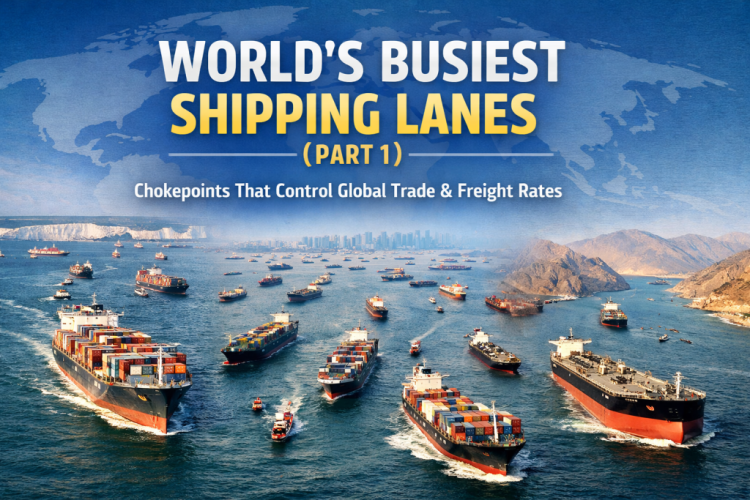
Ports are the lifeblood of global trade, acting as gateways through which goods, raw materials, and commodities flow seamlessly across continents. Among the thousands of ports worldwide, a select few stand out for their strategic importance, cutting-edge infrastructure, and immense impact on global commerce. These ports are not necessarily the largest by volume but are pivotal for their strategic importance to container shipping. Here, we explore some of the most strategic ports in the world and why they matter.
Managing the Holiday Rush: How the Container Industry Prepares for Festive Demand
The festive season is one of the busiest times of the year for global trade, with businesses and consumers eagerly awaiting shipments of gifts, decorations, and seasonal products. Behind the scenes, the container shipping industry plays a critical role in ensuring that these goods are delivered on time, despite the surge in demand. This blog explores how the container industry prepares for the holiday rush and ensures seamless global operations during this high-pressure period.
Subscribe to Shipping industry