Vessel Sizes Explained: From Feeder Ships to Ultra-Large Container Vessels
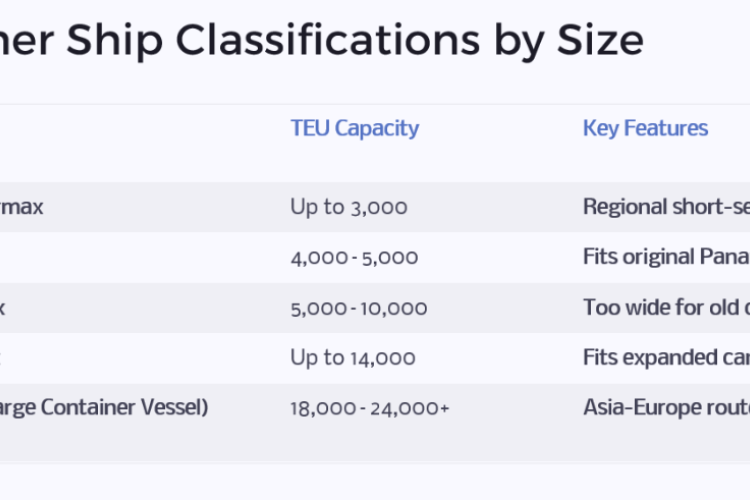
In container shipping, size matters! Not just for scale, but for which ports a ship can serve, which trade lanes it can ply, how much cargo it can carry, and what cost efficiencies it can achieve. As vessels grew over the decades, the shipping industry adopted size categories (measured in TEU and physical dimensions) to classify container ships. Understanding categories like feeder, Panamax, Neo-Panamax, and ULCV helps shippers and ports align expectations, infrastructure, and strategy.
Understanding Different Types of Cargo Vessels: Matching Ships to Shipments
In the vast world of maritime logistics, not all vessels are built the same. From carrying liquid fuels to heavy machinery, each vessel type is designed to serve a specific purpose and cargo category. Understanding these vessel types helps shippers, freight forwarders, and logistics providers choose the most efficient and cost-effective way to move goods across the world. Let’s explore the main types of cargo vessels and the kinds of cargo they typically carry.
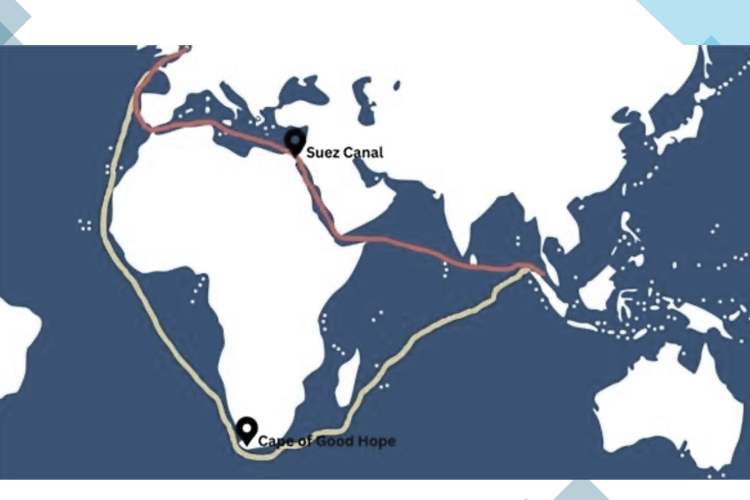
Why Container Shipping Routes Are Shifting from the Suez Canal to the Cape of Good Hope
The Suez Canal has long been one of the most critical arteries for global trade, carrying close to 12% of international goods annually. Yet in recent months, many container shipping lines have chosen to reroute their vessels around the Cape of Good Hope. While this path is longer and more expensive, the shift reflects a strategic choice that prioritizes safety, reliability, and business continuity.
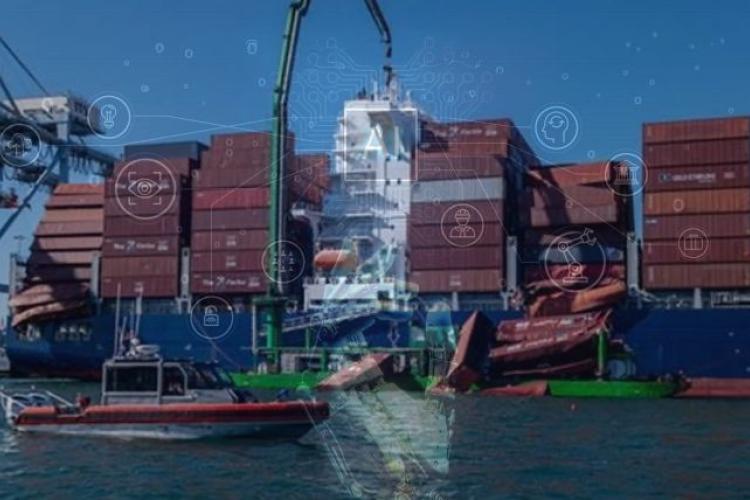
Avoiding Domino Failures in Container Stacks: The Role of AI and Smart Safety Systems
When a single container topples, the risk is rarely limited to that unit. On large vessels carrying thousands of TEUs, one collapse can trigger a domino failure, where multiple stacks fall in sequence, leading to massive cargo loss, vessel instability, and safety threats to crew. Incidents like this highlight the urgent need for AI-based stack monitoring, dynamic lashing sensors, and predictive safety systems.
The World's Most Strategic Ports and Why They Matter
Ports are the lifeblood of global trade, acting as gateways through which goods, raw materials, and commodities flow seamlessly across continents. Among the thousands of ports worldwide, a select few stand out for their strategic importance, cutting-edge infrastructure, and immense impact on global commerce. These ports are not necessarily the largest by volume but are pivotal for their strategic importance to container shipping. Here, we explore some of the most strategic ports in the world and why they matter.
Subscribe to Container Shipping