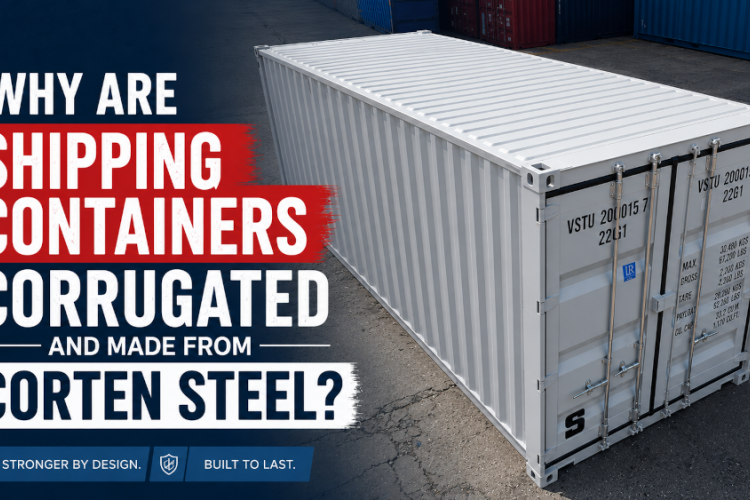
Why Are Shipping Containers Corrugated and Made from Corten Steel?
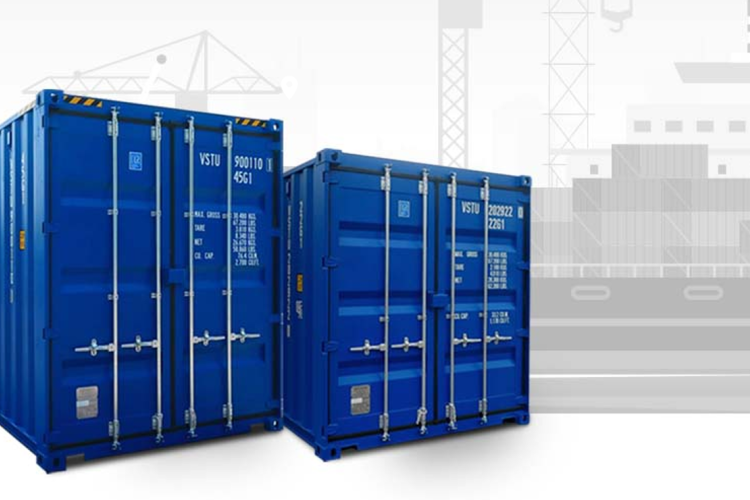
A container can be exposed to salt-laden marine air, rain, temperature changes, repeated lifting, road and rail movement, cargo loads, and the forces generated when containers are stacked on ships and at terminals. Two features are particularly noticeable on a conventional dry freight container: its corrugated steel panels and the use of weathering steel, commonly referred to as Corten steel, in many container designs. So, why are shipping containers corrugated? And why is weathering steel widely used in their construction?

Food-Grade ISO Tanks: How do Liquids Like Oils, Juices & Wine Travel Safely Across Borders?
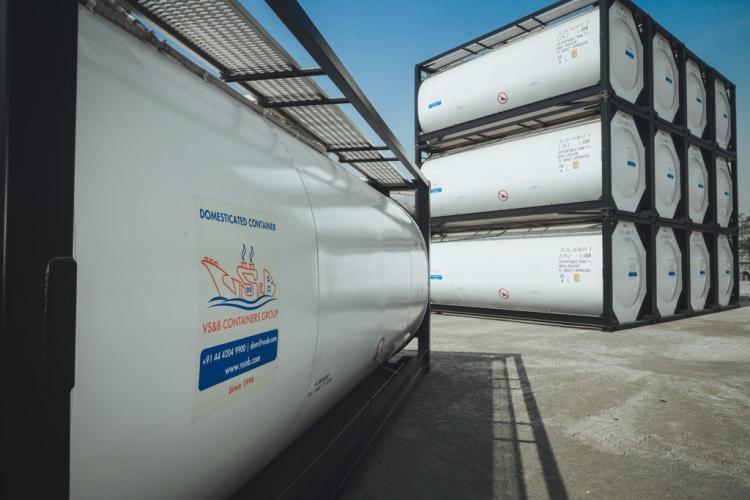
In today’s global freight logistics environment, transporting food and beverage liquids across countries requires far more than just moving cargo from point A to point B. Exporters must ensure hygiene, temperature stability, regulatory compliance, and cargo integrity at every stage of the container supply chain. This is where food-grade ISO tank containers play a vital role. From edible oils and fruit juices to wine and dairy products, these specialized international trade containers offer a safe, efficient, and sustainable solution for liquid food transportation.
What are Gate Buy One-Trip Containers and Why Are They Popular?
As global trade expands and containerized logistics become more complex, businesses are seeking smarter, faster, and more cost-effective ways to acquire containers. Among the popular choices in the market today are gate buy one-trip containers—a solution that offers both quality and convenience. But what are they exactly, and why are they gaining momentum across shipping container buyers and intermodal transport networks?
Container Selection for Hazardous Cargo: Choosing the Right Container for Your Needs
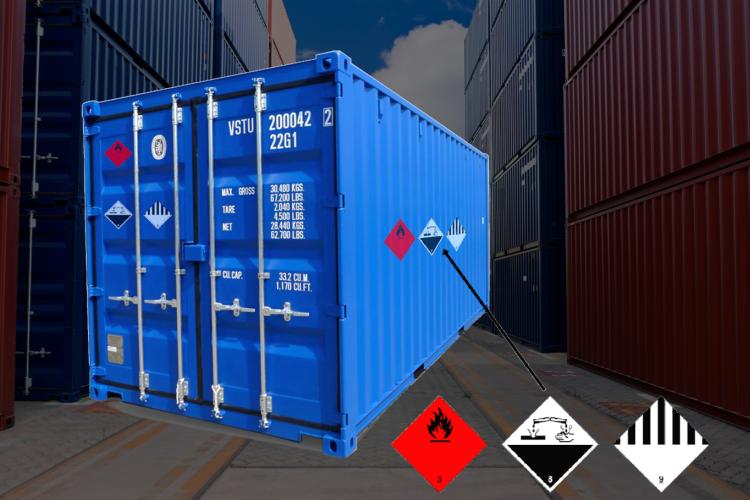
Selecting the right container for hazardous cargo is critical to ensuring safe, compliant, and efficient transportation. The wrong container choice could result in accidents, costly fines, and reputational damage. At VS&B Containers, we understand the importance of choosing the right container for hazardous cargo, and this blog will guide you through the key considerations and types of containers best suited for different types of dangerous goods.
Understanding Hazardous Cargo: Types, Classifications, and Regulations
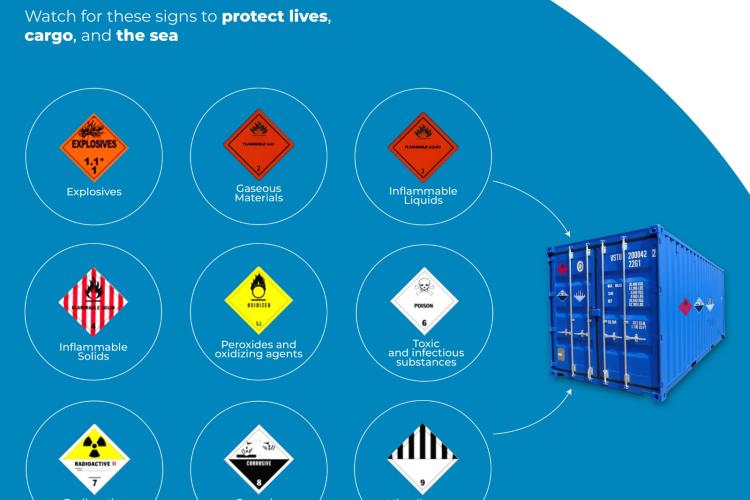
Shipping hazardous cargo requires a deep understanding of the types of dangerous goods, their classifications, and the stringent regulations that govern their transportation. Through this blog, VS&B Containers aims to educate businesses and shippers on the essentials of hazardous cargo management. Proper knowledge and adherence to regulations can help ensure safe and compliant transport of hazardous materials, minimizing risks to both people and the environment.
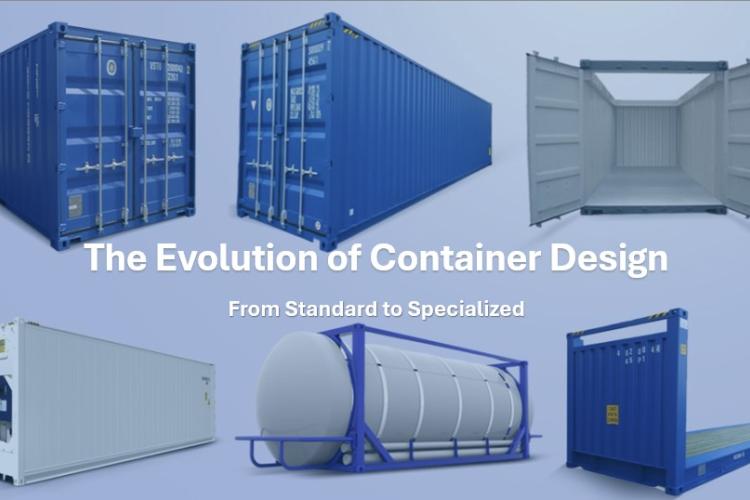
The Evolution of Container Design: From Standard to Specialized
In the ever-evolving world of logistics and shipping, container design has undergone a significant transformation. From its humble beginnings to the sophisticated and specialized containers of today, the journey reflects the dynamic nature of global trade and the continuous pursuit of efficiency and safety.
Inside the Reefer: Decoding the Mechanics of Refrigerated Containers
Refrigerated containers, or reefers, form the backbone of the global cold supply chain, ensuring that perishable goods reach their destination with freshness intact. Ever wondered about the intricate workings that keep these containers cool (or warm)? Let's take a deep dive.
Subscribe to new containers