
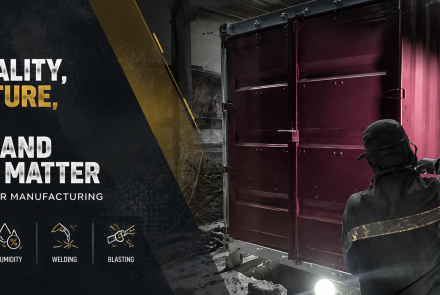
A shipping container can have high-quality steel and a strong structural design, but that alone does not guarantee long service life. The quality of the manufacturing process is critical. From welding and surface preparation to paint selection and environmental conditions during coating application, several stages determine how well a container will perform after it leaves the factory.
BLOGS
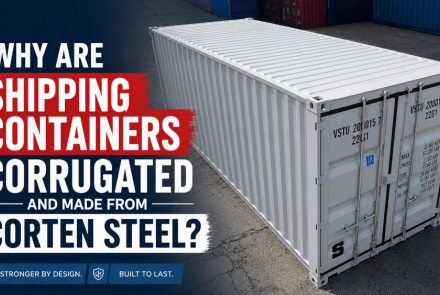 A container can be exposed to salt-laden marine air, rain, temperature changes, repeated lifting, road and rail movement, cargo loads, and the forces generated when containers are stacked on ships and at terminals. Two features are particularly noticeable on a conventional dry freight container: its corrugated steel panels and the use of weathering steel, commonly referred to as Corten steel, in many container designs. So, why are shipping containers corrugated? And why is weathering steel widely used in their construction?
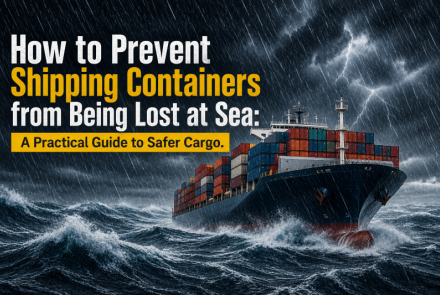 Every year, thousands of shipping containers go overboard - some in headline-making storms, most in a quiet trickle that barely makes the news. With mandatory loss reporting now in effect as of 2026, the industry is finally getting a clearer picture of the problem. But better counting only gets you so far. The real question for carriers, shippers, and logistics partners is simpler: what actually stops a container from falling in the first place? The good news is that container loss isn't purely a matter of bad luck or unavoidable weather. Most incidents trace back to a handful of preventable failure points - and the industry has spent years developing the technology, standards, and practices to address each one.
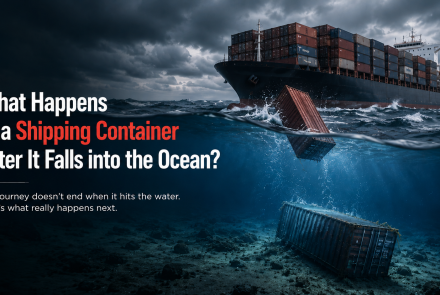 Somewhere beneath the ocean right now, tens of thousands of steel boxes are sitting on the seafloor. Every year, roughly 250 million containers cross the world's oceans, and almost all of them arrive exactly where they're supposed to. Almost. A small percentage never make it - and what happens to them after they hit the water is stranger, and more consequential, than most people realize.
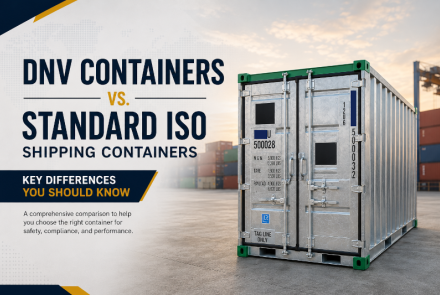 Choosing the right container for your operation isn't always straightforward. For most businesses involved in container shipping solutions and standard global freight logistics, a conventional ISO shipping container is entirely sufficient. But for operators working in offshore, marine, or high-risk environments, selecting the wrong container type can have serious safety, legal, and financial consequences. This guide breaks down the core differences between DNV containers and standard ISO shipping containers - covering design, structural specifications, testing, certification, and practical use cases - so you can make the right decision for your project.
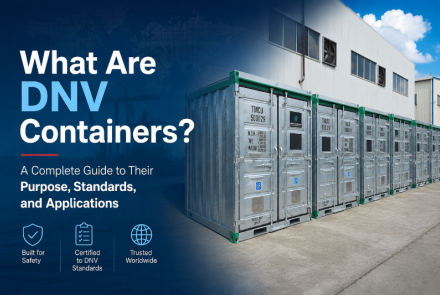 When it comes to offshore and marine operations, not just any shipping container will do. Equipment operating in harsh, high-risk environments - from oil rigs in the North Sea to wind farms in the Atlantic - must meet the most stringent safety and structural standards available. That's where DNV containers come in.
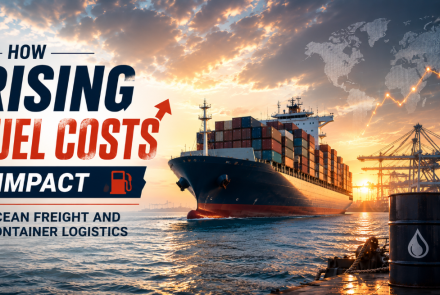 The maritime industry is facing a familiar yet intensifying challenge: volatile and rising fuel prices. Because bunker fuel represents the single largest variable cost in vessel operations - often accounting for 50–60% of variable expenses - price fluctuations shake the entire global trade network. For businesses managing tight supply chains, understanding how rising energy costs alter the landscape is critical for staying competitive. Here is a look at how surging fuel costs ripple through ocean freight operations, and how industry stakeholders are adjusting to stay afloat.
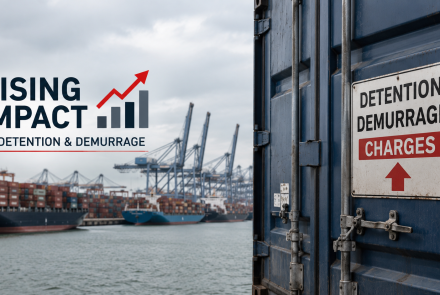 As regional supply chain bottlenecks and cargo rerouting pressures squeeze free-time windows, detention and demurrage charges remain a complex financial risk threatening logistics margins.
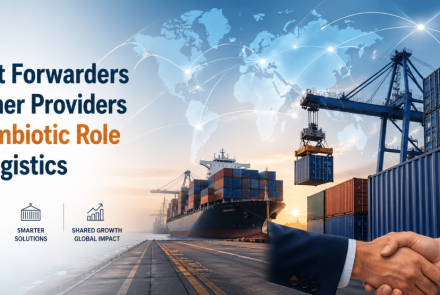 In the world of global freight logistics, no single player operates in isolation. The movement of goods across continents depends on a carefully coordinated ecosystem of service providers - and at the heart of this ecosystem lies a critical partnership: the relationship between freight forwarders and container providers. Whether it is a 20-foot standard dry container crossing the Indian Ocean or a reefer container carrying temperature-sensitive pharmaceuticals from Europe to Southeast Asia, this collaboration underpins nearly every international trade shipment in the world today.
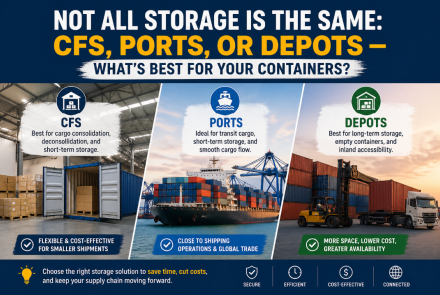 In global freight logistics, the question of where to store your containers - and for how long - can significantly affect your total shipping costs, customs timelines, and overall supply chain efficiency. Yet many shippers, NVOCCs, and importers treat storage as an afterthought rather than a strategic decision. Three key options exist in the container supply chain: Container Freight Stations (CFS), port-based Container Yards (CY), and off-dock Container Depots. Each has a distinct purpose, cost structure, and operational profile. Choosing the wrong one can mean unnecessary demurrage charges, cargo delays, or missed vessel sailings.