
Dry Runs in Logistics: The Hidden Cost of Empty Moves in Global Trade
In the rapidly evolving world of global freight logistics, efficiency is everything. Yet one hidden operational issue continues to increase costs, emissions, and inefficiencies across the container supply chain - the dry run. While often overlooked, dry runs play a significant role in rising freight expenses, carbon emissions, and equipment imbalance worldwide.
Understanding what a dry run is and how it affects logistics operations is essential for shipping lines, NVOCC operators, and cargo owners working toward freight cost optimization and sustainable container solutions.
What Is a Dry Run?
In logistics and container shipping solutions, a dry run refers to:
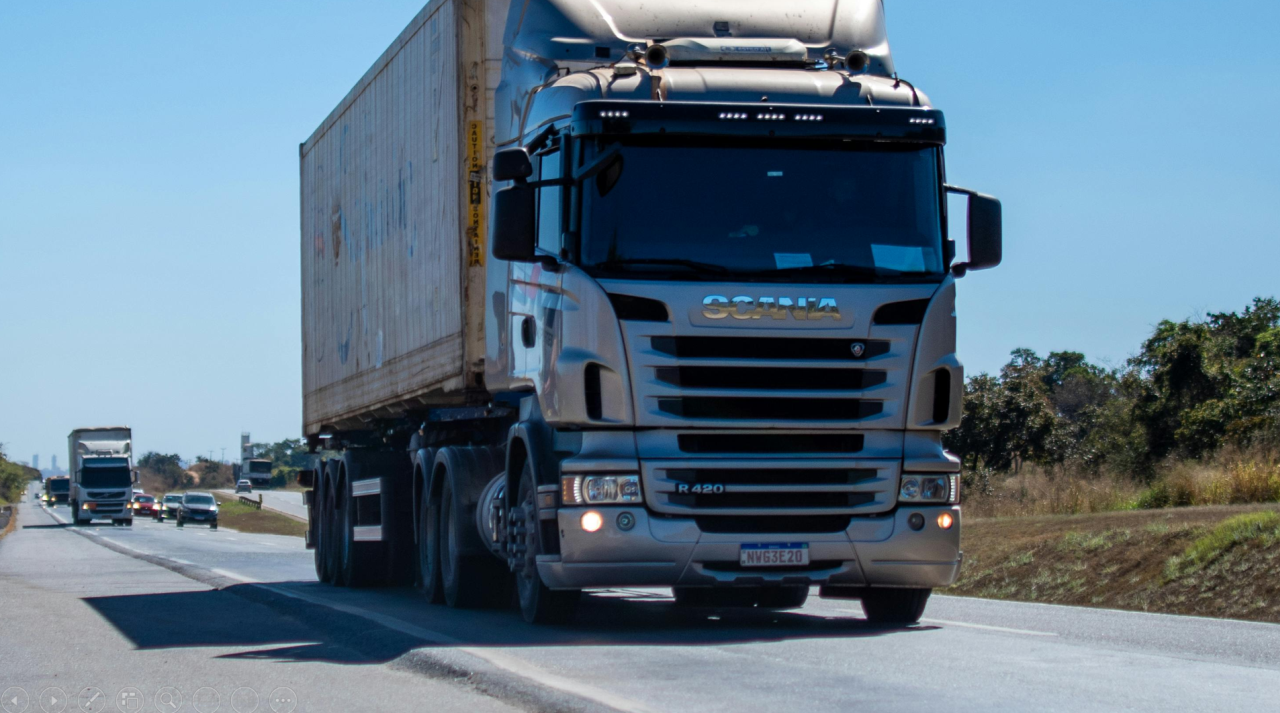
The movement of a truck, ship, or container without carrying any cargo.
Dry runs typically occur when:
A truck goes for pickup but returns empty
An empty container is repositioned without a confirmed load
A delivery is cancelled after dispatch
Containers move one-way due to trade-lane imbalance
In all these cases, fuel, manpower, and infrastructure are consumed - but no revenue-generating cargo is transported.
Key Causes of Dry Runs in the Container Supply Chain
Dry runs are common in both domestic container transport and international trade containers due to:
Trade lane imbalance between imports and exports
Poor shipment forecasting
Last-minute cargo cancellations
Port congestion and vessel schedule disruptions
Equipment mismatch in container fleet management
Limited visibility in container tracking and monitoring
These challenges increase the frequency of unproductive movements across intermodal transport and multimodal logistics networks.
Major Effects of Dry Runs in Global Logistics
1️. Increased Fuel Consumption
Even without cargo, vehicles and ships consume fuel. Every dry run adds to:
Diesel and bunker fuel consumption
Energy waste across land and sea transport
This negatively impacts overall freight cost optimization.
2️. Higher Carbon Emissions & Environmental Damage
Dry runs significantly increase:
CO₂ emissions
Air pollution
Carbon footprint per shipment
They directly oppose global efforts toward sustainable container solutions and cleaner supply chains.
3️. Rising Transportation & Operating Costs
Dry runs still incur:
Driver and labor costs
Toll charges
Equipment wear and tear
Maintenance expenses
But with no cargo revenue, these expenses become pure losses for carriers and logistics providers.
4️. Container & Equipment Imbalance
Frequent dry runs lead to:
Excess empty containers in some ports
Severe shortages in others
Higher repositioning costs
This disrupts containerized cargo management and weakens overall container fleet management.
5️. Reduced Operational Efficiency
Dry runs reduce:
Asset utilization
Fleet productivity
Port and terminal efficiency
They slow down port automation and container handling workflows and increase congestion at container yards.
Dry Runs vs Empty Container Repositioning
While both involve empty movements:
Dry run usually refers to vehicles or trucks moving without cargo
Empty container repositioning refers specifically to moving empty containers to demand locations
Both contribute heavily to:
Carbon emissions
Increased logistics cost
Lower supply-chain efficiency
How the Industry Is Reducing Dry Runs
To reduce dry runs, the logistics industry is increasingly adopting:
Advanced container tracking and monitoring systems
AI-driven forecasting and planning
Improved digitization in container shipping
Smarter container fleet management
Enhanced coordination between ports, carriers, and shippers
Strategic container buying and selling and leasing models
These solutions help improve load matching and reduce unnecessary empty movements.
A dry run in logistics represents a costly and environmentally damaging inefficiency, where fuel, time, and resources are consumed without transporting any revenue-generating cargo. The effects of dry runs include higher fuel consumption, rising freight costs, increased carbon emissions, equipment imbalance, and reduced operational efficiency across the container supply chain. As the shipping industry moves toward smarter digitization, sustainable container solutions, and optimized fleet management, minimizing dry runs has become a critical priority. By aligning the right container, at the right place, for the right shipment, the industry can significantly reduce carbon cost while improving overall profitability. At VS&B Containers Group, we remain committed to supporting this transformation through efficient container solutions and global logistics expertise.
VS&B Containers group offers both standard and custom-made containers, delivered directly from the factory to your desired location. With a fleet of over 25,000 containers made available across Asia, Europe, US and Australia, the company helps customers get containers effortlessly from anywhere in the world. If you have unique needs in terms of affordability, adaptability, and potential return on investment, please drop an email to traders@vsnb.com, and the VS&B team will contact you to discuss further.
- Log in to post comments