
Why ISO Tank Containers Are One of the Most Sustainable Options for Liquid Cargo Transport
Sustainability has become a core priority across global freight logistics and the wider container supply chain. Shippers today are not only focused on speed and cost, but also on reducing waste, lowering emissions, and improving long-term efficiency in container shipping solutions.
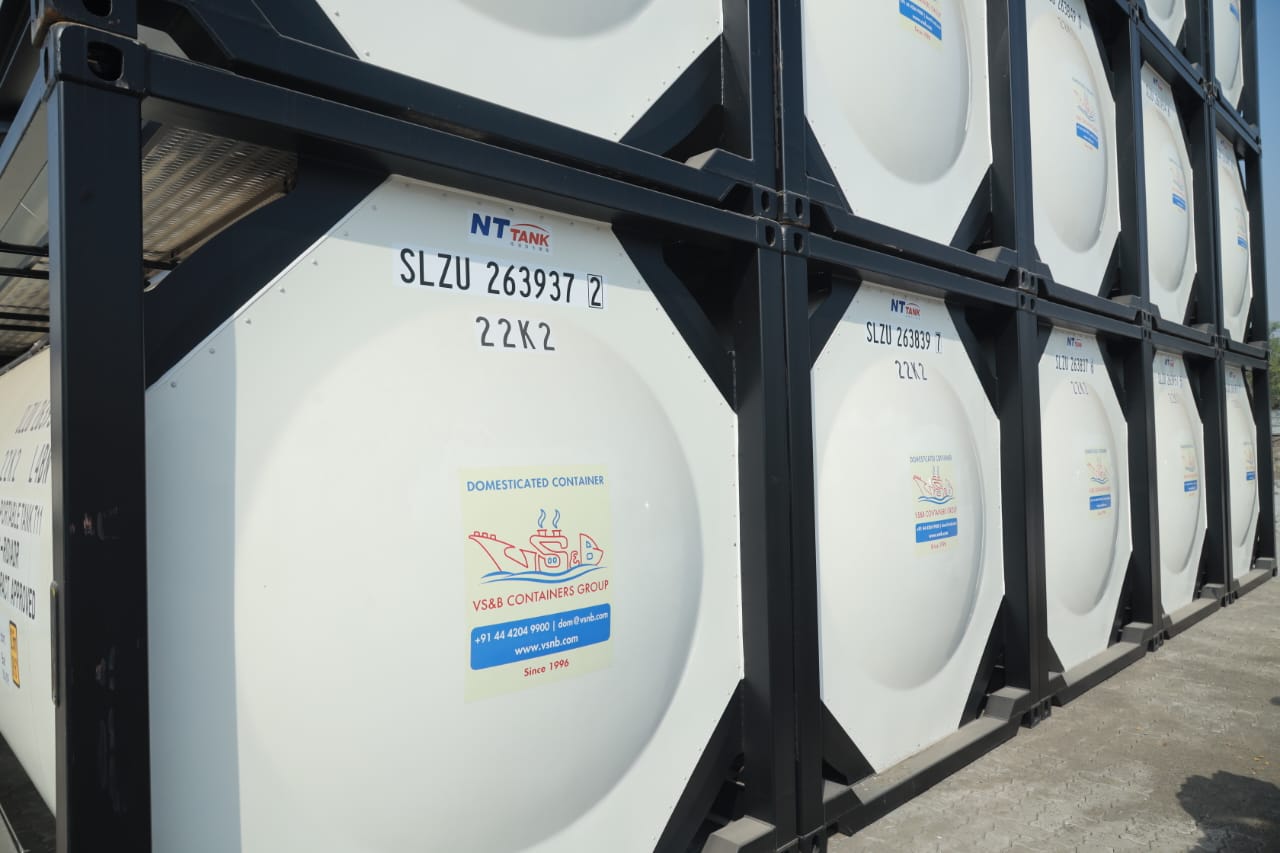
When it comes to transporting liquid cargo, ISO tank containers are widely recognized as a more sustainable alternative to traditional single-use packaging methods such as drums and disposable flexitanks. Their long service life, reusability, recyclability, and safety performance make them an important part of modern sustainable container solutions.
The Sustainability Challenge in Liquid Cargo Transport
Liquid cargo - including edible oils, chemicals, lubricants, and industrial liquids - has historically relied on packaging systems that generate significant waste and inefficiencies.
Common sustainability challenges include:
- Large volumes of single-use plastic waste
- Product loss due to leaks and spills
- Repeated manufacturing of disposable packaging
- Inefficient cargo density per shipment
- Increased emissions per litre transported
These issues directly impact freight cost optimization, environmental compliance, and long-term container fleet management strategies.
ISO tank containers were developed to address many of these challenges through a more durable and reusable transport system.
1. Reusability: A Proven Environmental Advantage
One of the most well-documented sustainability benefits of ISO tank containers is their reusability.
Unlike flexitanks, which are typically used once and discarded, ISO tanks are:
- Designed for long service lives (often 15–25+ years)
- Used across hundreds of transport cycles
- Maintained through structured inspection and cleaning programs
- Integrated into long-term shipping container leasing models
From a lifecycle perspective, spreading the environmental cost of manufacturing over many trips significantly reduces the per-shipment environmental impact and improves shipping container durability.
2. Reduced Plastic and Packaging Waste
Single-use flexitanks and drums generate considerable plastic and packaging waste after every shipment.
ISO tank containers help reduce this waste because they:
- Eliminate disposable plastic liners
- Require minimal secondary packaging
- Are cleaned and reused instead of discarded
- Support sustainable container solutions in circular logistics models
While ISO tanks still require cleaning between shipments, their ability to be reused over many years results in far lower cumulative waste compared to one-time packaging options.
3. Lower Cargo Loss and Spill Risk
Cargo spills create both financial and environmental damage, especially in hazardous cargo container shipping.
ISO tank containers are engineered for container security and safety, featuring:
- Pressure-tested stainless steel tanks
- Sealed valves and manholes
- Protective outer frames
- Standardized inspection routines
- Compatibility with port automation and container handling systems
These features significantly reduce the likelihood of leaks compared to drums and flexitanks, helping minimize environmental contamination and product loss across global freight logistics routes.
4. Improved Cargo Density and Transport Efficiency
Another sustainability advantage of ISO tanks is their high volume efficiency.
ISO tanks offer:
- Greater liquid volume per shipment
- Better TEU capacity and efficiency
- Fewer trips for the same cargo quantity
- Reduced handling and transloading needs
By moving more liquid per container, ISO tanks reduce fuel consumption and emissions per litre transported, particularly in intermodal transport, containerized rail freight, and domestic container transport operations.
5. Carbon Footprint: A Balanced Reality
From a sustainability standpoint, it is important to take a realistic and scenario-based view of carbon emissions.
What is factually supported:
- ISO tanks have lower emissions per trip when reused frequently on recurring trade lanes.
- Their durability and long lifespan reduce manufacturing-related emissions over time.
- Fewer spills and re-shipments lower indirect environmental impact.
What is also true:
- ISO tanks require cleaning, depot handling, and repositioning, which consume water, energy, and fuel.
- On certain long one-way routes, lightweight flexitanks may produce lower emissions for a single trip because they avoid empty return legs.
Conclusion on carbon impact:
ISO tanks generally provide a strong sustainability advantage in regular, circular, or high-volume trade lanes, while flexitanks may sometimes be more carbon-efficient for one-off, one-way shipments. The most sustainable option depends on route length, reuse frequency, and end-of-life treatment.
6. Recyclability at End of Life
At the end of their service life, ISO tank containers are largely recyclable.
- The stainless steel structure is highly recyclable
- Steel recycling infrastructure is widely available
- A large percentage of material can be recovered and reused
- This reduces landfill waste compared to single-use plastic packaging
This makes ISO tanks a more responsible long-term asset within international trade containers operations.
7. Supporting ESG and Green Logistics Goals
ISO tank containers align closely with modern ESG frameworks by supporting:
- Waste reduction
- Reuse and circular economy practices
- Improved safety and spill prevention
- Operational transparency
- Integration with container tracking and monitoring
- Compatibility with digitization in container shipping
- Structured container fleet management programs
For shippers and logistics providers, ISO tanks are not just a transport tool — they are a sustainability-enabling asset within responsible NVOCC operations and international logistics networks.
The Role of ISO Tanks in Future-Ready Logistics
As the logistics industry moves toward greener infrastructure, port automation, and digital coordination, ISO tanks are becoming increasingly relevant in:
- Multimodal logistics
- Efficient container supply chain planning
- Scalable container buying and selling strategies
- Environmentally conscious cargo management
Their durability, standardization, and compatibility with global transport systems position them as a practical sustainability solution for long-term liquid cargo movement.
Conclusion
ISO tank containers are one of the most sustainable options for transporting liquid cargo when used in regular, reusable logistics cycles. Their reusability, recyclability, safety performance, and transport efficiency make them a strong alternative to disposable packaging systems.
Fact-based sustainability advantages include:
- Long service life and reuse
- Reduced plastic and packaging waste
- Lower spill risk
- Higher cargo density per shipment
- Recyclability at end of life
- Better lifecycle emissions in recurring trade lanes
While they are not always the lowest-carbon option for every route, ISO tanks remain a highly credible, responsible, and future-ready solution for most large-scale liquid cargo logistics operations.
At VS&B Containers Group, we support clients with sustainable container solutions that balance environmental responsibility, operational efficiency, and regulatory compliance across global freight logistics networks.
VS&B Containers group offers both standard and custom-made containers, delivered directly from the factory to your desired location. With a fleet of over 25,000 containers made available across Asia, Europe, US and Australia, the company helps customers get containers effortlessly from anywhere in the world. If you have unique needs in terms of affordability, adaptability, and potential return on investment, please drop an email to traders@vsnb.com, and the VS&B team will contact you to discuss further.
- Log in to post comments