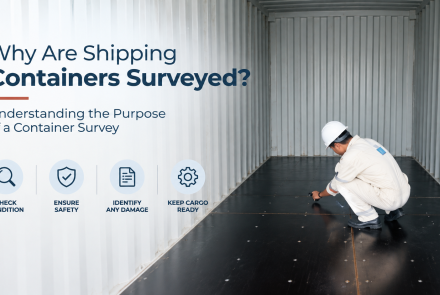

Why Are Shipping Containers Surveyed? Understanding the Purpose of a Container Survey
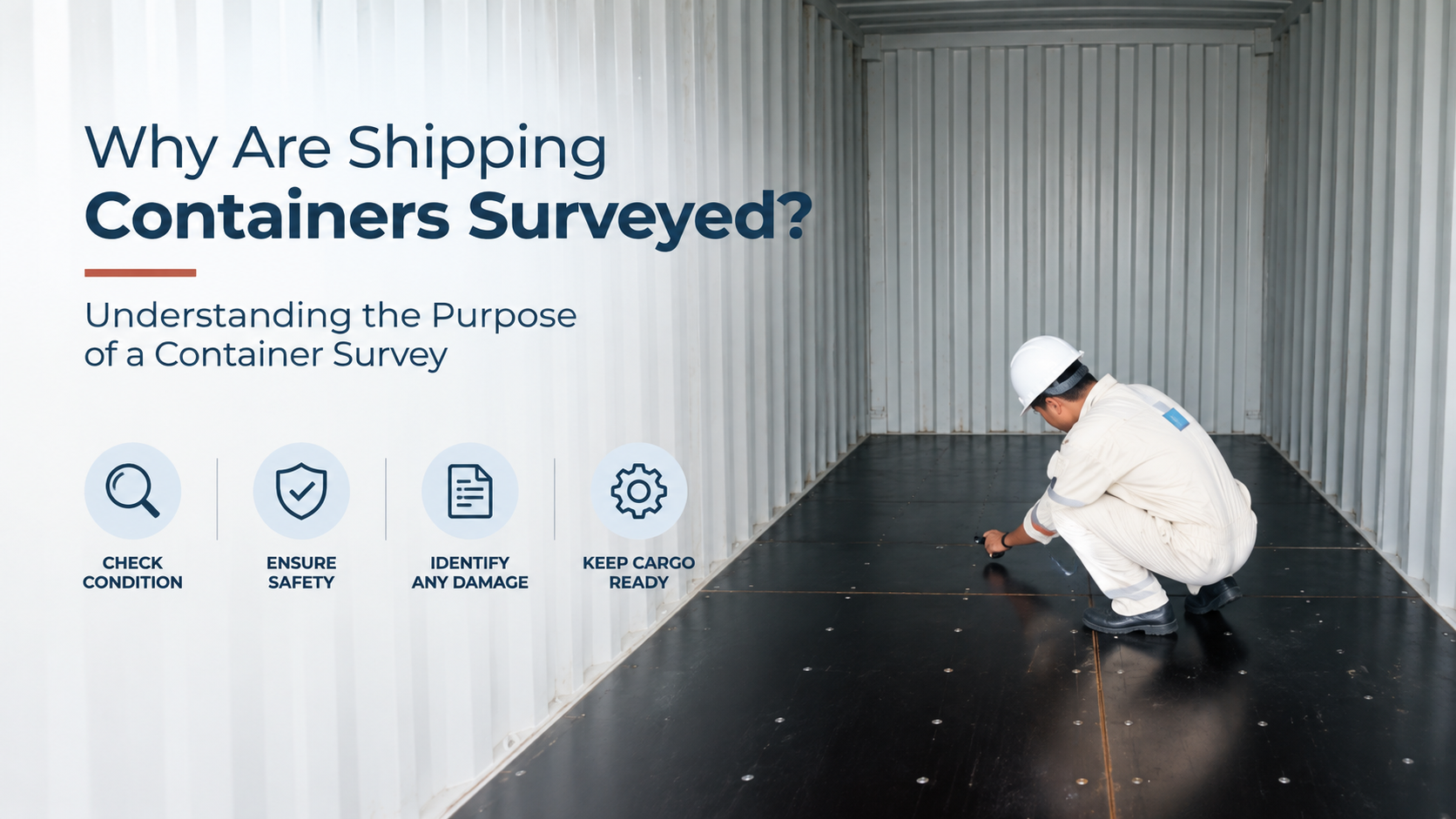
If an inspection is the routine health check, a container survey is the formal medical report - detailed, documented, and often produced specifically because something is in dispute or needs independent verification.
What Is a Container Survey?
A container survey is a formal, documented assessment of a shipping container's condition, usually carried out by a qualified, independent surveyor. Unlike a quick visual inspection, a survey produces a written report with detailed findings, photographic evidence, and often a professional opinion on the cause, extent, and responsibility for any damage found.
Surveys are used when there's a need for an objective, third-party record - something that can stand up in a commercial or legal discussion.
Why a Survey Is Conducted
Surveys exist to answer a specific question with authority: what condition is this container in, and who is responsible for that condition? That question matters most when money, liability, or contractual obligations are on the line.
When Surveys Are Required
Common situations that call for a formal survey include:
- Damage assessment - determining the nature, extent, and likely cause of damage to a container or its cargo.
- On-hire and off-hire surveys - conducted when a leased container changes hands, documenting its exact condition at the start and end of a lease to settle later disputes over damage responsibility.
- Purchase and sale transactions - especially for used or fleet-scale container sales, where buyers want independent verification of condition before finalizing a deal.
- Insurance claims - insurers often require an independent survey to validate a claim before paying out.
- Disputes - when two parties (lessor/lessee, buyer/seller, carrier/shipper) disagree about condition, cause of damage, or liability, a survey provides a neutral basis for resolution.
The Role of a Container Surveyor
A container surveyor is a trained, often certified, independent professional (sometimes affiliated with marine surveying bodies) whose job is to assess objectively - without favoring either party. Surveyors are trained to distinguish between different damage types (e.g., pre-existing wear vs. handling damage vs. cargo-related damage), and their findings carry weight precisely because they're impartial.
Surveyors are often called in by insurers, lessors, P&I clubs, or legal representatives when an independent, defensible opinion is needed.
What a Survey Report Typically Covers
A container survey report is far more detailed than a routine inspection checklist. It usually includes:
- Container identification (number, size, type, CSC plate details)
- Detailed description and photographs of any damage
- Likely cause of damage (e.g., handling, weather, structural fatigue, cargo shifting)
- Assessment of whether the damage is pre-existing or newly occurred
- Repair recommendations and estimated costs
- A professional conclusion on liability or condition, where relevant
How a Survey Establishes Condition, Damage, and Responsibility
Because a survey report is detailed, evidenced, and produced by an independent party, it becomes the reference document when parties need to agree on facts. In an on/off-hire dispute, for example, the survey report is often what determines whether the lessee pays for damage or whether it's deemed normal wear and tear. In an insurance claim, it's the document insurers rely on to validate the loss.
Survey vs. Inspection: What's the Difference?
| Inspection | Survey | |
|---|---|---|
| Purpose | Routine condition check | Formal assessment, often tied to a dispute or transaction |
| Conducted by | Depot staff, technician, or handling party | Independent, qualified surveyor |
| Output | Checklist, condition grade | Detailed written report with findings and opinion |
| When used | Regularly, at handoff points | When liability, insurance, or disputes are involved |
| Weight | Operational | Often used as evidence in commercial/legal contexts |

Conclusion
A container survey provides valuable documented information about the condition of a container at a specific point in time. From assessing physical damage to reviewing relevant documentation such as the CSC plate, Acceptance Certificate or applicable LR Certificate, a survey can support informed decisions related to leasing, purchasing, selling, repairs and asset management.
At VS&B Containers Group, we recognize the importance of accurate container condition assessment and documentation throughout the container lifecycle. Our experience across container leasing, trading and fleet management enables us to support customers with a wide range of container requirements across different markets and applications.
From standard dry containers and high cube containers to reefers, ISO tank containers and other specialized shipping containers, VS&B works to provide reliable container solutions for businesses across the global container supply chain.
VS&B Containers group offers both standard and custom-made containers, delivered directly from the factory to your desired location. With a fleet of over 25,000 containers made available across Asia, Europe, US and Australia, the company helps customers get containers effortlessly from anywhere in the world. If you have unique needs in terms of affordability, adaptability, and potential return on investment, please drop an email to traders@vsnb.com, and the VS&B team will contact you to discuss further.
- Log in to post comments