
Why Are Shipping Containers Inspected? Understanding the Importance of Container Inspection
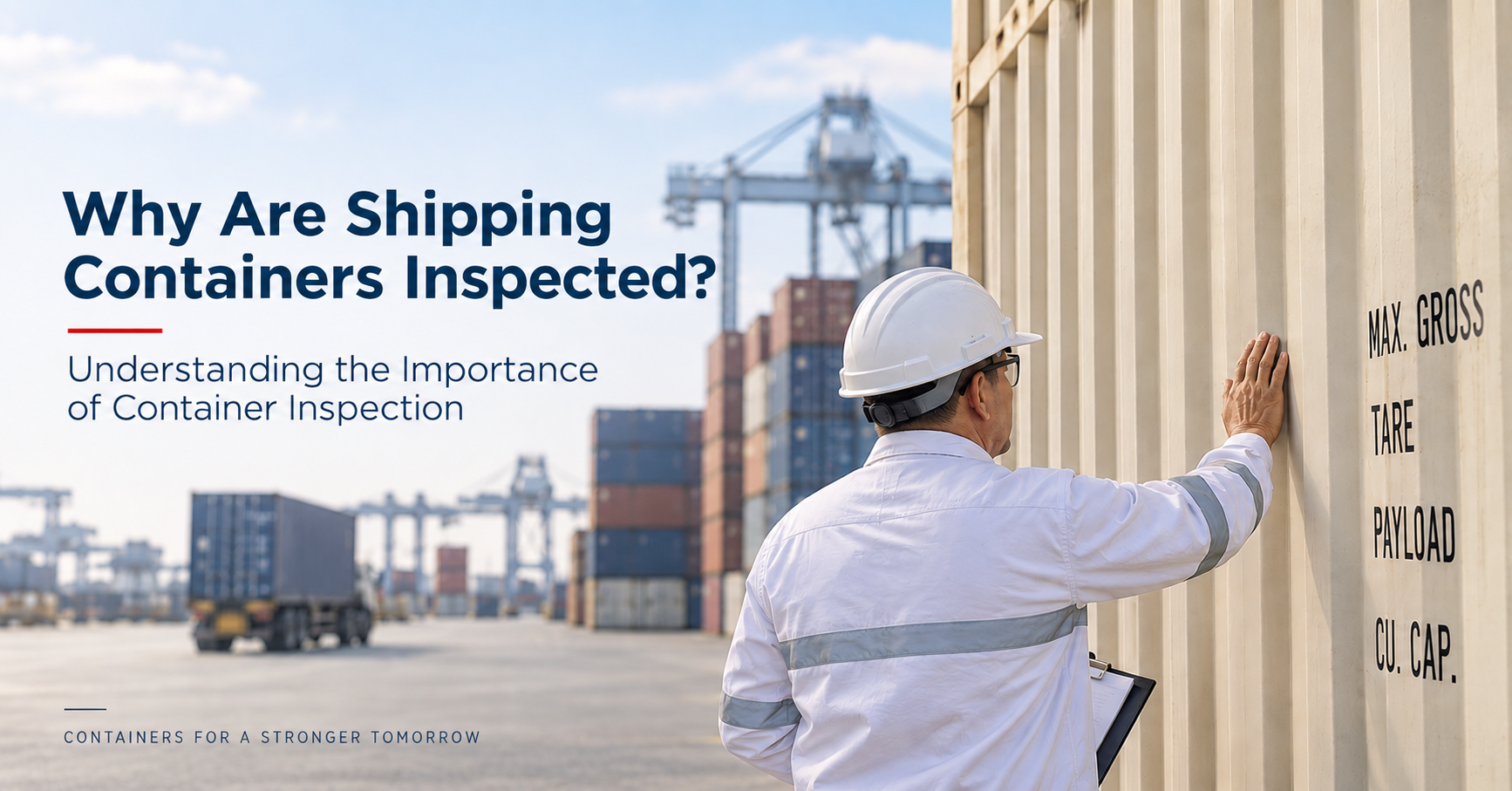
Shipping containers are built to withstand years of hard use — stacked on vessels, hauled on chassis, loaded and unloaded thousands of times. But that durability only holds up if the container is actually in good condition. That's where inspection comes in.
What Is a Container Inspection?
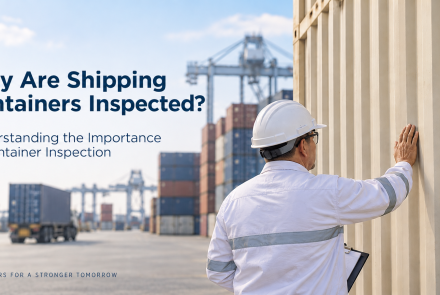
A container inspection is a visual and physical check of a shipping container's structure and components to confirm it's sound, safe, and fit for its intended use. It's typically carried out by a trained inspector, depot technician, or the party taking custody of the container, and it usually takes just a few minutes per unit — though the details matter enormously.
Unlike a full survey (which is a more formal, documented assessment used for disputes, insurance, or damage claims), an inspection is more routine. It's the everyday quality check that keeps containers moving safely through the supply chain.
Why Containers Are Inspected

Containers get inspected for a few core reasons:
Safety — A structurally compromised container can fail under load, leak, or become a hazard during transport or stacking.
Cargo protection — Holes, rust-through, or door seal issues can let in water, pests, or dust, damaging whatever's inside.
Compliance — Containers must meet international standards (like the CSC — Convention for Safe Containers) to be legally used in transport.
Commercial accountability — Whoever hands over a container wants proof of its condition before responsibility shifts to the next party.
What Inspectors Actually Check

A thorough container inspection typically covers:
Structure — corner posts, cross members, and side/end panels checked for dents, cracks, rust, or bulging.
Doors — hinges, seals, and locking bars tested to confirm doors open, close, and seal properly.
Roof — checked for punctures, patches, or weak points, often by looking for daylight from inside with doors closed (the classic "light test").
Floor — inspected for rot, oil staining, broken boards, or structural sagging.
CSC plate — CSC plate — the safety approval plate is checked to confirm it's present, legible, and shows the container hasn't passed its next examination due date. (Some containers use the ACEP — Approved Continuous Examination Program — instead of a fixed re-examination date, in which case inspectors confirm the container is enrolled in a valid, current program.)
Locking gear — cam locks, handles, and door gaskets are tested for smooth, secure operation.
Vents — checked to ensure they're clear and functioning, especially important for certain cargo types.
Any issues found are typically logged with photos and a condition grade (e.g., IICL standards or similar), which feeds into decisions about repair, rejection, or acceptance.
Acceptance Certificate
When an inspection is complete, the outcome is usually documented in an acceptance certificate - a signed record confirming the container's condition at the point of handover, whether that's a lessor releasing a unit to a lessee, a depot releasing to a trucker, or a seller handing off to a buyer. This certificate protects both parties: it's the reference point if a condition dispute arises later, since it captures exactly what state the container was in when responsibility changed hands.
LR Certificate
Container approval under the CSC convention is carried out by classification societies authorized to test, inspect, and certify containers on behalf of national governments. Lloyd's Register (LR) is one of the best-known of these bodies, and its Lloyd's Register Container Certification Scheme (LRCCS) is widely used by surveyors worldwide to certify containers against CSC and ISO requirements. An "LR certificate" essentially confirms a container has been assessed and approved by this recognized authority — giving the CSC plate its underlying credibility.
When Inspections Happen
Container inspections are a routine part of several key moments in a container's life:
Before leasing — lessors inspect containers before handing them to a lessee, and lessees often inspect on pickup to avoid inheriting pre-existing damage.
Before buying or selling — buyers want assurance they're getting what they're paying for; sellers want a record protecting them from later disputes.
Before dispatch — shipping lines and depots inspect containers before loading to ensure they're safe and won't cause delays or cargo claims down the line.
How Inspection Helps Identify Damage and Safety Issues

Because inspection happens early and often, it catches problems before they escalate. A small patch of rust caught today is a cheap repair; the same rust ignored for a year can mean a structural failure or a rejected container at the port. Inspection is essentially preventive — it turns big, expensive surprises into small, manageable fixes.
Why Regular Inspection Matters
Containers that move through many hands over their working life need consistent checks to stay usable. Regular inspection:
Extends the container's usable lifespan
Reduces the risk of cargo damage claims
Keeps containers compliant with CSC and safety regulations
Gives all parties — owners, lessees, carriers — confidence in the equipment they're using or handing off
A container that looks fine from a distance can still hide structural or sealing issues. Routine, disciplined inspection is what keeps the global container fleet safe, functional, and dependable — one box at a time.
Conclusion
Regular shipping container inspection plays an important role in maintaining container safety, reliability and operational readiness. From checking structural condition and doors to reviewing the CSC plate and identifying repair requirements, a thorough inspection helps ensure that containers are suitable for their intended use.
At VS&B Containers Group, we understand the importance of maintaining containers to meet the requirements of different customers and applications. With our experience in container leasing, trading and container fleet management, we focus on providing containers that are inspected and maintained with attention to quality, safety and usability.
Whether you are looking for containers for international trade, domestic container transport, storage or specialized applications, VS&B offers a range of new and used containers to support diverse container shipping requirements.
VS&B Containers group offers both standard and custom-made containers, delivered directly from the factory to your desired location. With a fleet of over 25,000 containers made available across Asia, Europe, US and Australia, the company helps customers get containers effortlessly from anywhere in the world. If you have unique needs in terms of affordability, adaptability, and potential return on investment, please drop an email to traders@vsnb.com, and the VS&B team will contact you to discuss further.
- Log in to post comments