
The Impact of Adverse Weather on Container Logistics: Preparing for Storms, Monsoons and Extreme Conditions
The global container shipping industry operates in an environment that is constantly shaped by nature. Storms, monsoons, cyclones, fog and extreme winter conditions can strike without warning, disrupting supply chains across continents. For companies engaged in shipping container leasing, multimodal logistics, intermodal transport, NVOCC operations and international freight movement, adverse weather is far more than a seasonal challenge—it is a strategic risk that directly influences operational reliability, container availability and customer commitments. As climate events grow increasingly unpredictable, ensuring cargo safety and maintaining smooth container supply chain operations have become critical priorities.
How Weather Disrupts Shipping at Sea
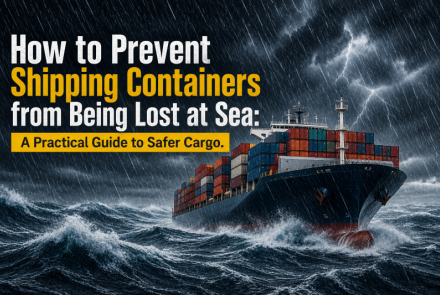
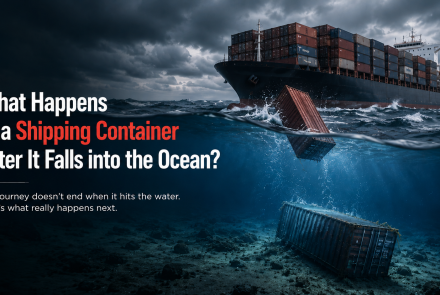
Weather-related delays often begin long before a container reaches a port. At sea, rough conditions force vessels to reduce speed, change course or bypass ports entirely to protect cargo and maintain container security. These disruptions immediately affect global schedules and containerized cargo management, especially for equipment such as high cube containers, flat racks, open top containers and other specialized shipping containers.
Even short-lived weather systems like typhoons or cyclones can disturb TEU capacity planning and delay the repositioning of international trade containers needed at key ports and inland container depots (ICDs). The ripple effect is felt across the entire supply chain, from exporters to depot operators.
Weather-Driven Challenges at Ports
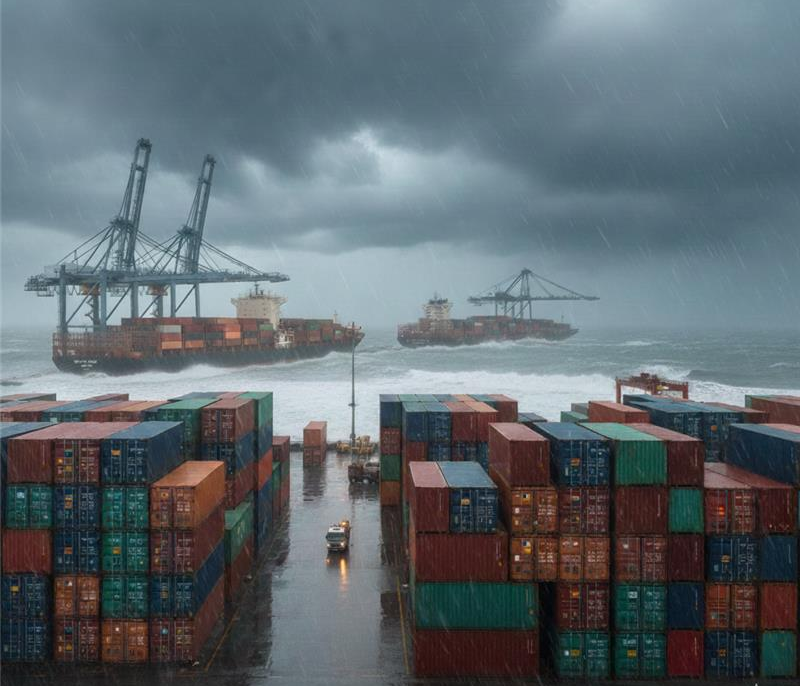
Ports are highly sensitive to environmental conditions. Heavy rainfall, lightning, dense fog and strong winds can result in temporary port closures, directly impacting container handling operations. These shutdowns slow down port automation processes, increase dwell time and create yard congestion.
Waterlogging during monsoon months accelerates corrosion, affecting long-term shipping container durability. Exporters relying on domestic container transport or containerized rail freight often face extended delays as port slowdowns push congestion further inland, impacting both first-mile and last-mile delivery timelines.
Impact on Inland and Intermodal Logistics
On land, extreme weather creates its own set of operational obstacles. Flooded roads, blocked rail tracks and snow-covered highways can interrupt the movement of containerized cargo and leased equipment such as reefer containers, ISO tank containers and collapsible shipping containers.
These disruptions can lead to bottlenecks across multimodal logistics networks, forcing companies to:
- reschedule dispatches
- adjust operational plans
- strengthen container fleet management strategies
- increase repair and maintenance activities at depots
During heavy-weather seasons, depots commonly handle more repair jobs - roof repairs, seal replacements, structural checks and custom container modifications - to ensure units remain fit for service.
Strengthening the Supply Chain Through Preparation and Technology
To mitigate weather-related risks, the container shipping ecosystem is investing heavily in preparedness and digitization. Advanced forecasting systems and digitization in container shipping allow operators to track weather systems in real time and take preventive action.
Predictive routing helps carriers avoid high-risk areas and ensures the security of sensitive cargo, especially hazardous cargo shipments and temperature-controlled goods inside reefer units. During weather-prone periods, shipping lines and leasing companies also reposition additional equipment—such as 20’HC and 40’HC high cube containers—to stable-demand regions to maintain supply continuity.
What Shippers Can Do to Minimize Weather Risks
Shippers play an important role in reducing the impact of adverse weather on cargo movement. Key steps include:
- planning shipments around predictable weather cycles
- choosing the correct container type for specific cargo
- improving packaging to protect sensitive goods
- partnering with reliable shipping container leasing and logistics providers
- maintaining transparent communication with carriers, depots and transporters
- Clear communication enables better coordination on transit delays, rerouting decisions and freight cost optimization—ultimately reducing the impact of natural disruptions on trade.
Conclusion
Adverse weather is an unavoidable part of global trade—but its impact can be significantly minimized with strong planning, reliable equipment and advanced forecasting tools. As extreme climate events become more common, the container shipping industry must continue to invest in stronger infrastructure, real-time monitoring and resilient multimodal logistics networks.
At VS&B Containers group, we are committed to supporting customers with durable container equipment, flexible leasing options, dependable depot services and practical logistics solutions. With the right preparation and the right partners, cargo can continue moving safely and efficiently - even in the toughest weather conditions.
VS&B Containers group offers both standard and custom-made containers, delivered directly from the factory to your desired location. With a fleet of over 25,000 containers made available across Asia, Europe, US and Australia, the company helps customers get containers effortlessly from anywhere in the world. If you have unique needs in terms of affordability, adaptability, and potential return on investment, please drop an email to traders@vsnb.com, and the VS&B team will contact you to discuss further.
- Log in to post comments