Why ISO Tank Containers Are One of the Most Sustainable Options for Liquid Cargo Transport
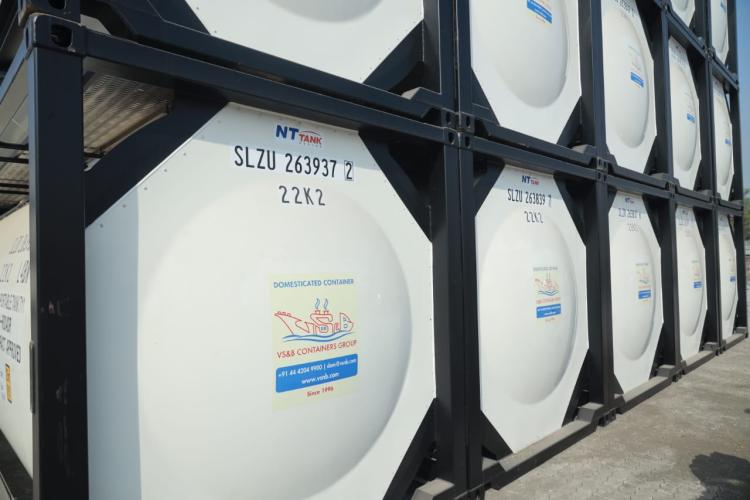
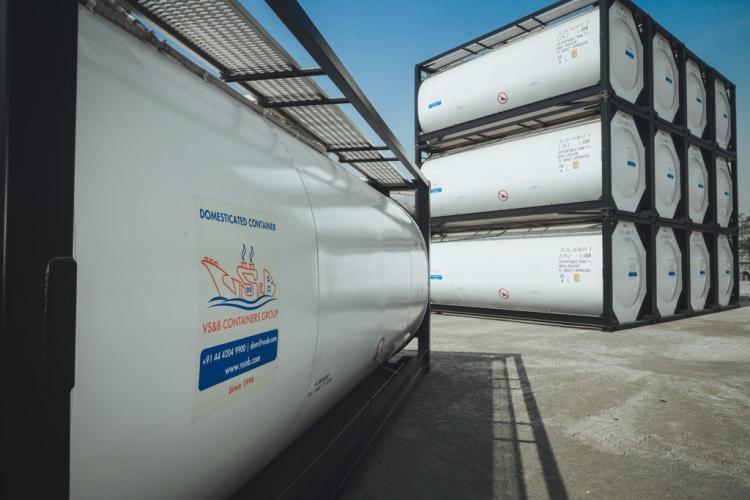
Sustainability has become a core priority across global freight logistics and the wider container supply chain. Shippers today are not only focused on speed and cost, but also on reducing waste, lowering emissions, and improving long-term efficiency in container shipping solutions. When it comes to transporting liquid cargo, ISO tank containers are widely recognized as a more sustainable alternative to traditional single-use packaging methods such as drums and disposable flexitanks. Their long service life, reusability, recyclability, and safety performance make them an important part of modern sustainable container solutions.
Food-Grade ISO Tanks: How do Liquids Like Oils, Juices & Wine Travel Safely Across Borders?
In today’s global freight logistics environment, transporting food and beverage liquids across countries requires far more than just moving cargo from point A to point B. Exporters must ensure hygiene, temperature stability, regulatory compliance, and cargo integrity at every stage of the container supply chain. This is where food-grade ISO tank containers play a vital role. From edible oils and fruit juices to wine and dairy products, these specialized international trade containers offer a safe, efficient, and sustainable solution for liquid food transportation.
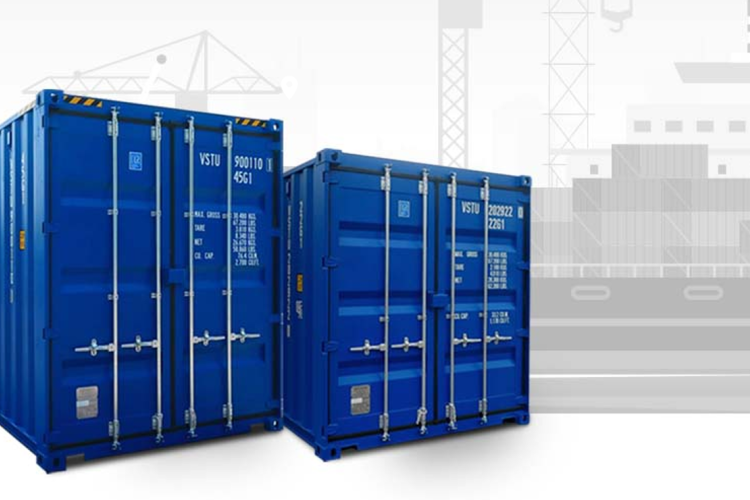
The Evolving Role of 20ft and 40ft Containers
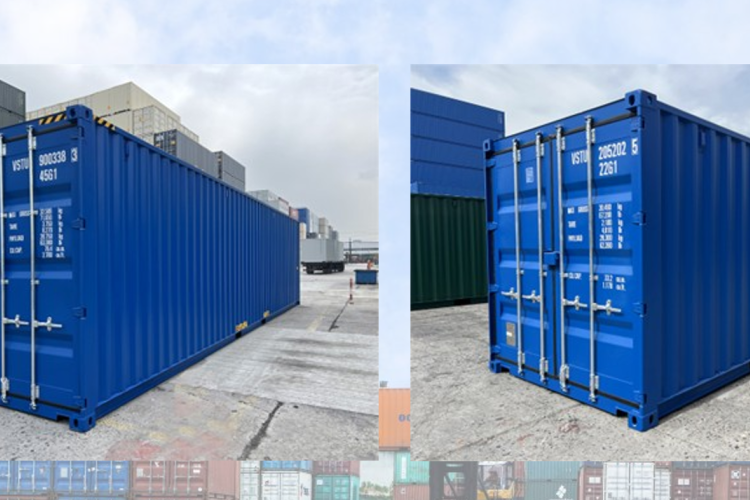
Among all standardized container formats, 20ft and 40ft containers remain the most widely used, but their roles within the global logistics ecosystem have evolved significantly. Today, 40ft containers dominate modern volume-driven trade, supporting the majority of international cargo movement. Meanwhile, 20ft containers continue to play an essential but increasingly specialized supporting role, particularly in weight-sensitive and access-restricted shipments. This shift reflects changes in port automation, intermodal transport systems, sustainability goals, and commercial shipping strategies.
Dry Runs in Logistics: The Hidden Cost of Empty Moves in Global Trade
In the rapidly evolving world of global freight logistics, efficiency is everything. Yet one hidden operational issue continues to increase costs, emissions, and inefficiencies across the container supply chain - the dry run. While often overlooked, dry runs play a significant role in rising freight expenses, carbon emissions, and equipment imbalance worldwide. Understanding what a dry run is and how it affects logistics operations is essential for shipping lines, NVOCC operators, and cargo owners working toward freight cost optimization and sustainable container solutions.
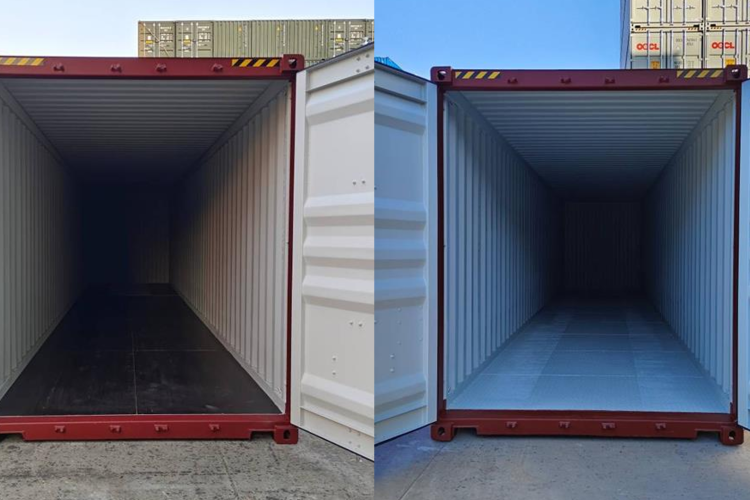
Steel Floor vs. Bamboo Floor in Shipping Containers: Which is Better?
The flooring of a shipping container plays a much bigger role than most people realize. It affects durability, cargo safety, maintenance, and even cost. Two of the most common flooring materials are steel and bamboo plywood. But what’s the difference, and which one is right for your needs?
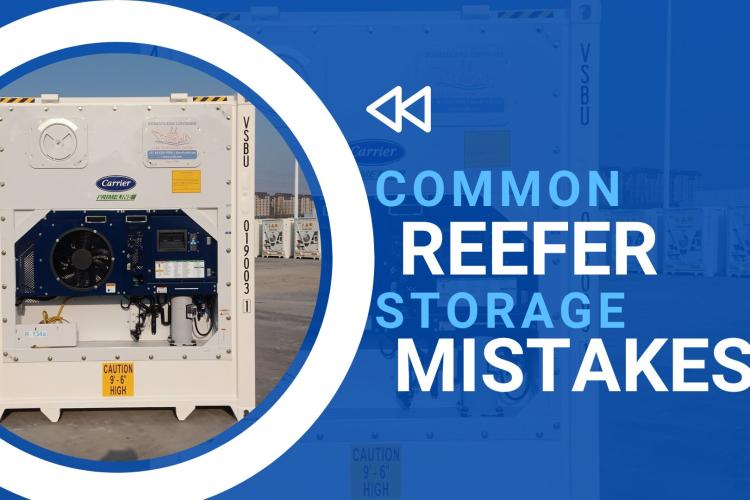
Common Mistakes to Avoid When Using Reefer Containers for Storage 
Reefer containers are essential in preserving the quality of temperature-sensitive cargo - from fresh produce and dairy to pharmaceuticals and seafood. However, even the most advanced reefer containers for lease or sale can underperform if not handled correctly. Whether used for transportation or static cold storage, a few common mistakes can compromise cargo quality, increase energy costs, or even lead to product loss.  Here are the most frequent errors to watch out for - and how to avoid them. 
What are Gate Buy One-Trip Containers and Why Are They Popular?
As global trade expands and containerized logistics become more complex, businesses are seeking smarter, faster, and more cost-effective ways to acquire containers. Among the popular choices in the market today are gate buy one-trip containers—a solution that offers both quality and convenience. But what are they exactly, and why are they gaining momentum across shipping container buyers and intermodal transport networks?
The Hidden Costs of Poor Container Design
At first glance, a shipping container might seem like a standard box — rigid, uniform, and straightforward. However, a poorly designed container can cause a ripple effect of issues throughout the container supply chain, impacting everything from cargo safety to cost efficiency. At VS&B Containers Group, with more than two decades of expertise — soon approaching 30 years in shipping container leasing, buying, and selling, we understand the nuances of container design and how critical it is to ensure the safe and efficient movement of goods.
Why Container Design Matters for Cargo Safety
The design of a shipping container is not just about dimensions and steel - it’s about protecting cargo, optimizing operations, and ensuring safety at every stage of the container supply chain. With international trade expanding across sea, rail, and road, the significance of container design has never been more vital.
The Strategic Role of Inland Container Depots in Expanding Global Trade Access
As global trade continues to evolve, the importance of infrastructure that supports efficient cargo movement has never been greater. Inland Container Depots (ICDs) play a pivotal role in bridging the gap between seaports and inland markets, ensuring smoother cargo flow, reducing congestion at major ports, and contributing to the overall efficiency of the container supply chain.
Subscribe to Used containers