DNV Containers vs. Standard ISO Shipping Containers: Key Differences You Should Know
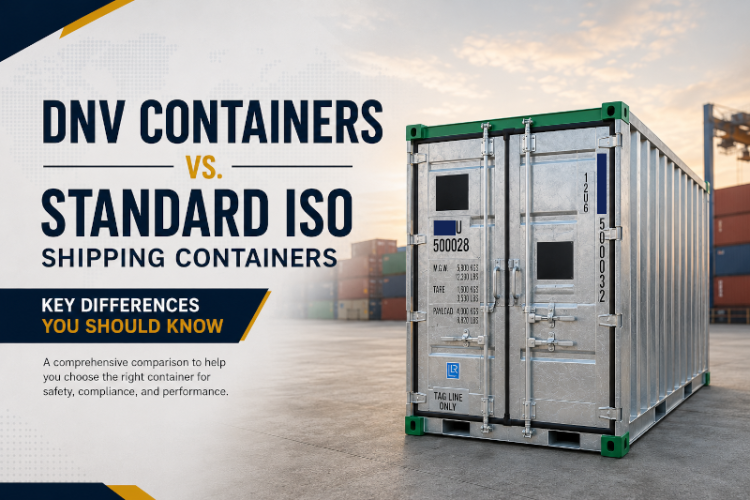
Choosing the right container for your operation isn't always straightforward. For most businesses involved in container shipping solutions and standard global freight logistics, a conventional ISO shipping container is entirely sufficient. But for operators working in offshore, marine, or high-risk environments, selecting the wrong container type can have serious safety, legal, and financial consequences. This guide breaks down the core differences between DNV containers and standard ISO shipping containers - covering design, structural specifications, testing, certification, and practical use cases - so you can make the right decision for your project.
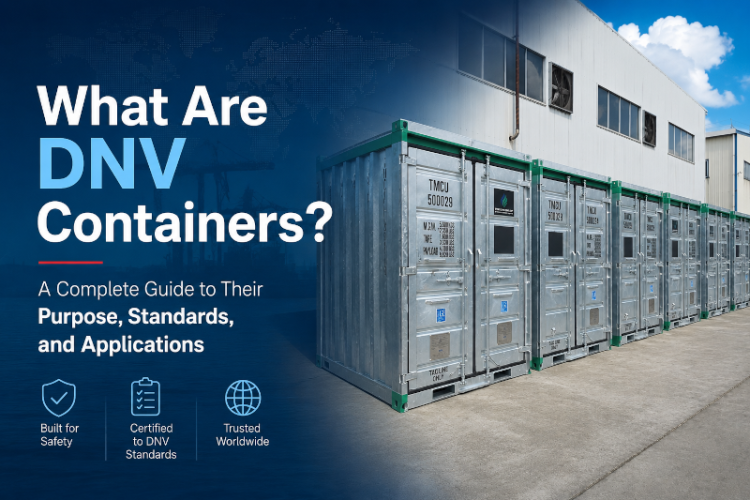
DNV Containers: A Complete Guide to Their Purpose, Standards, and Applications
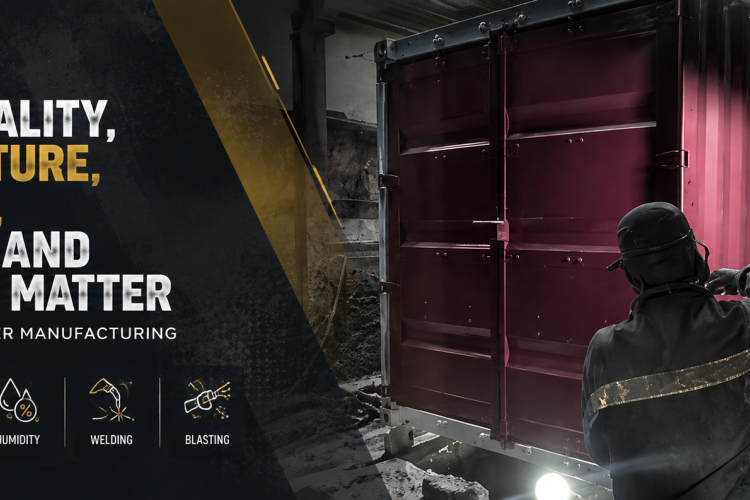
When it comes to offshore and marine operations, not just any shipping container will do. Equipment operating in harsh, high-risk environments - from oil rigs in the North Sea to wind farms in the Atlantic - must meet the most stringent safety and structural standards available. That's where DNV containers come in.
The Evolving Role of 20ft and 40ft Containers
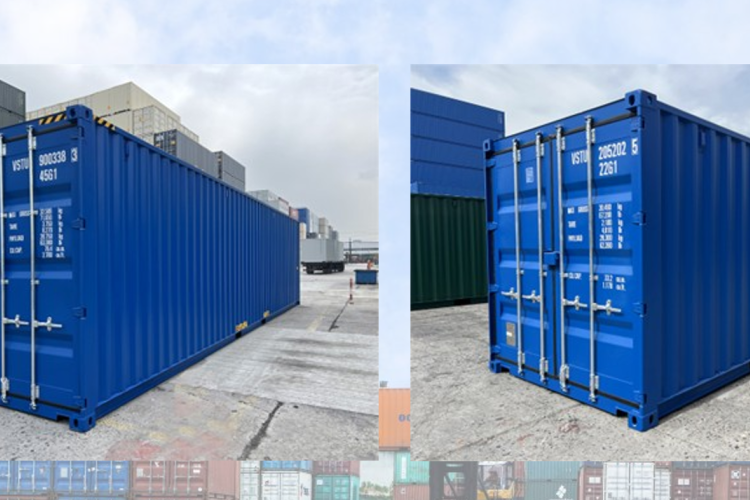
Among all standardized container formats, 20ft and 40ft containers remain the most widely used, but their roles within the global logistics ecosystem have evolved significantly. Today, 40ft containers dominate modern volume-driven trade, supporting the majority of international cargo movement. Meanwhile, 20ft containers continue to play an essential but increasingly specialized supporting role, particularly in weight-sensitive and access-restricted shipments. This shift reflects changes in port automation, intermodal transport systems, sustainability goals, and commercial shipping strategies.
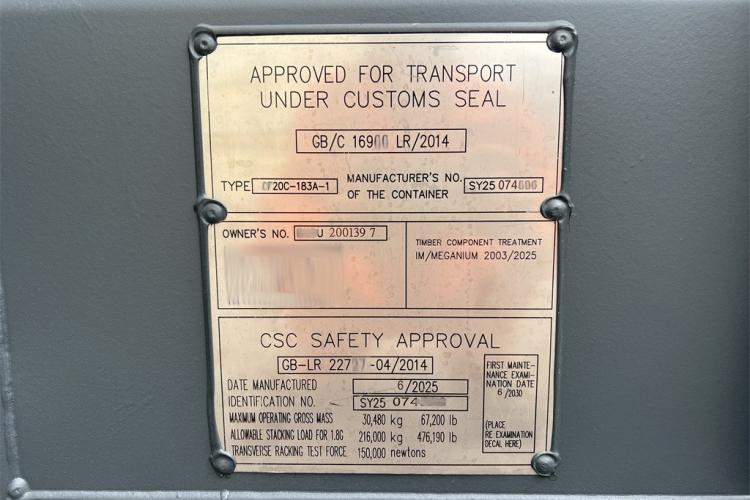
How to Read a CSC Plate: What Every Container User Should Know
In the vast and complex world of container shipping solutions, even the smallest components can have a major impact. One such overlooked yet essential element is the CSC plate—a small metal tag found on all internationally approved shipping containers. Whether you’re involved in container leasing, buying and selling, or intermodal transport, understanding the CSC plate is vital to ensuring safety, compliance, and seamless logistics.
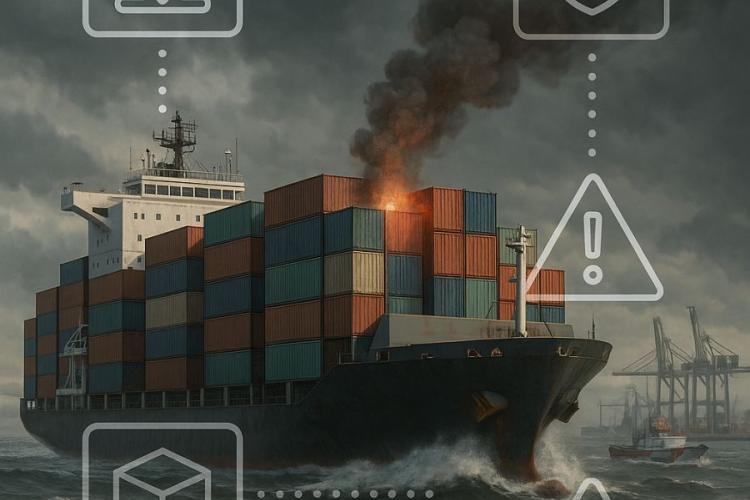
Rising Risks at Sea: How Ports and Carriers Can Improve Emergency Preparedness
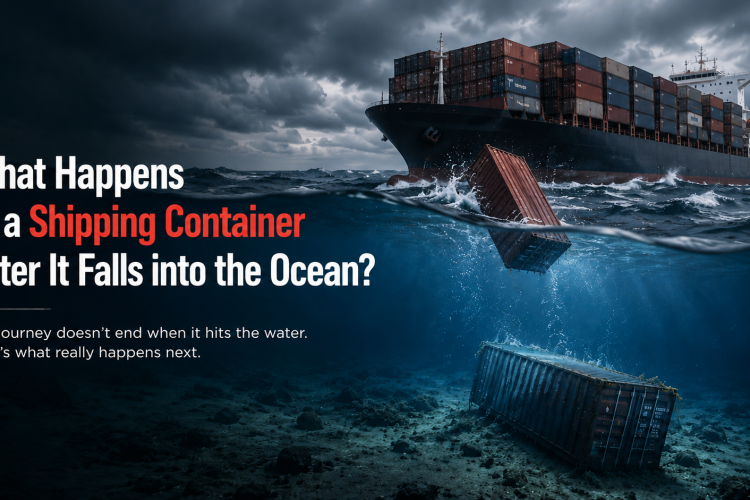
The maritime industry has always carried inherent risks, but the recent surge in onboard emergencies - from fires to container losses - has highlighted the urgent need for enhanced emergency preparedness. As global trade grows more complex, container shipping solutions must evolve to handle unexpected hazards at sea.
The Hidden Costs of Poor Container Design
At first glance, a shipping container might seem like a standard box — rigid, uniform, and straightforward. However, a poorly designed container can cause a ripple effect of issues throughout the container supply chain, impacting everything from cargo safety to cost efficiency. At VS&B Containers Group, with more than two decades of expertise — soon approaching 30 years in shipping container leasing, buying, and selling, we understand the nuances of container design and how critical it is to ensure the safe and efficient movement of goods.
Why Container Design Matters for Cargo Safety
The design of a shipping container is not just about dimensions and steel - it’s about protecting cargo, optimizing operations, and ensuring safety at every stage of the container supply chain. With international trade expanding across sea, rail, and road, the significance of container design has never been more vital.
Environmental Benefits of Port Automation: Reducing Emissions and Energy Consumption
The maritime industry is undergoing a significant transformation, with port automation playing a crucial role in streamlining operations and reducing environmental impact. As global trade expands, the need for sustainable container solutions and efficient port management has never been greater. Port automation, through digitization, electrification, and smart logistics, contributes to reducing emissions and optimizing energy consumption, making ports more environmentally friendly and efficient.
The Impact of 5G Technology on Port Automation
The maritime industry is undergoing a digital transformation, with automation playing a crucial role in enhancing port operations. One of the key enablers of this transformation is 5G technology, which offers ultra-fast data transfer, low latency, and seamless connectivity. As ports adopt automation, the integration of 5G networks is revolutionizing communication, real-time monitoring, and operational efficiency.
Shipping Containers as Lifelines in Disaster Zones
When disaster strikes, the speed and efficiency of relief efforts can mean the difference between life and death. Shipping containers, originally designed to revolutionize global trade, are now proving to be invaluable tools in disaster relief logistics. Their durability, versatility, and scalability make them indispensable in ensuring that essential supplies reach affected areas quickly and securely. Here’s how shipping containers are transforming the way we respond to crises.
Subscribe to Shipping containers