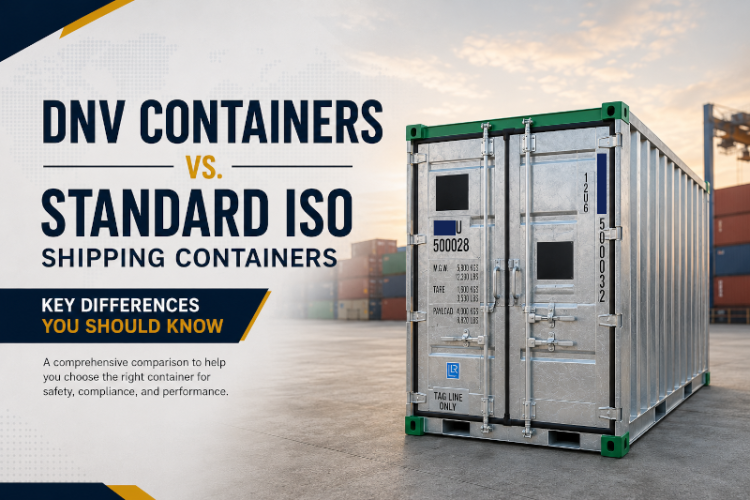
DNV Containers vs. Standard ISO Shipping Containers: Key Differences You Should Know
Choosing the right container for your operation isn't always straightforward. For most businesses involved in container shipping solutions and standard global freight logistics, a conventional ISO shipping container is entirely sufficient. But for operators working in offshore, marine, or high-risk environments, selecting the wrong container type can have serious safety, legal, and financial consequences. This guide breaks down the core differences between DNV containers and standard ISO shipping containers - covering design, structural specifications, testing, certification, and practical use cases - so you can make the right decision for your project.
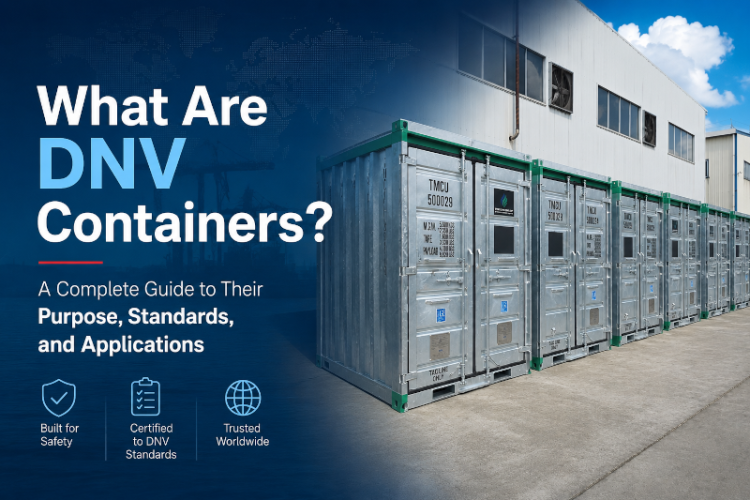
DNV Containers: A Complete Guide to Their Purpose, Standards, and Applications
When it comes to offshore and marine operations, not just any shipping container will do. Equipment operating in harsh, high-risk environments - from oil rigs in the North Sea to wind farms in the Atlantic - must meet the most stringent safety and structural standards available. That's where DNV containers come in.
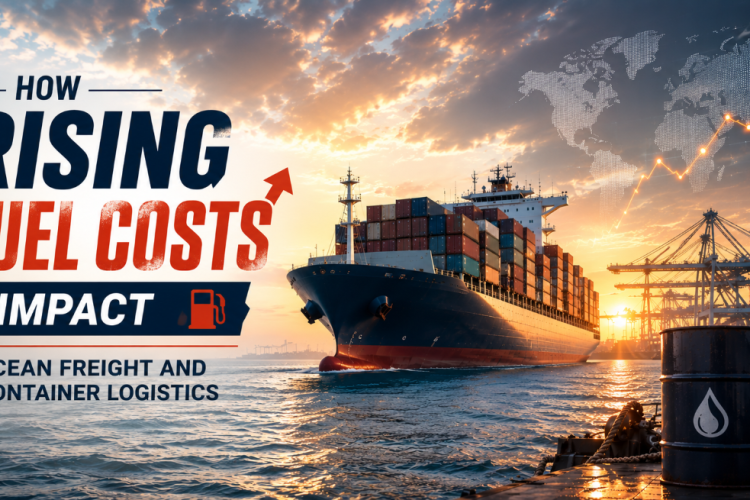
How Rising Fuel Costs Impact Ocean Freight and Container Logistics
The maritime industry is facing a familiar yet intensifying challenge: volatile and rising fuel prices. Because bunker fuel represents the single largest variable cost in vessel operations - often accounting for 50–60% of variable expenses - price fluctuations shake the entire global trade network. For businesses managing tight supply chains, understanding how rising energy costs alter the landscape is critical for staying competitive. Here is a look at how surging fuel costs ripple through ocean freight operations, and how industry stakeholders are adjusting to stay afloat.
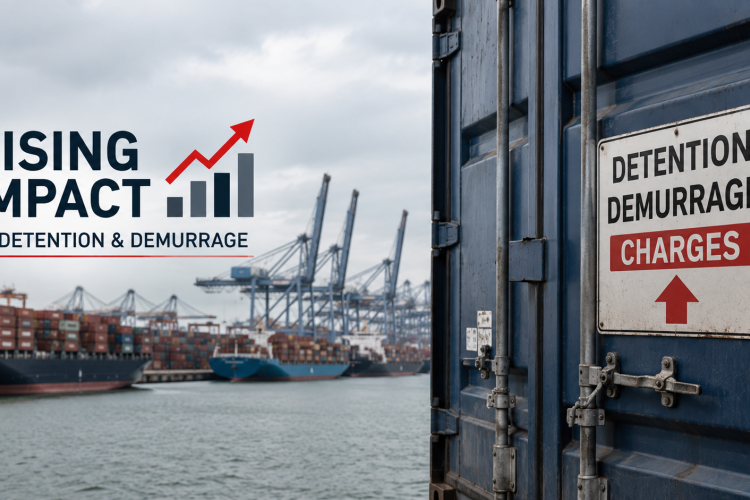
The Rising Impact of Detention & Demurrage Charges During Global Port Congestion
As regional supply chain bottlenecks and cargo rerouting pressures squeeze free-time windows, detention and demurrage charges remain a complex financial risk threatening logistics margins.
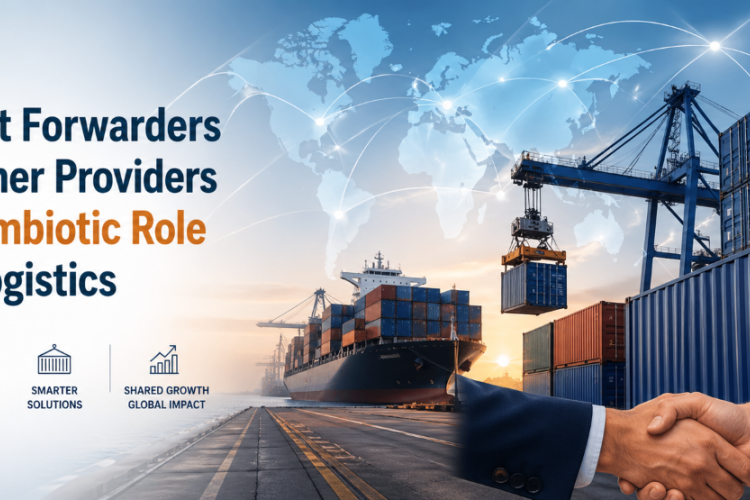
Why Freight Forwarders and Container Providers Share a Symbiotic Role in Global Logistics
In the world of global freight logistics, no single player operates in isolation. The movement of goods across continents depends on a carefully coordinated ecosystem of service providers - and at the heart of this ecosystem lies a critical partnership: the relationship between freight forwarders and container providers. Whether it is a 20-foot standard dry container crossing the Indian Ocean or a reefer container carrying temperature-sensitive pharmaceuticals from Europe to Southeast Asia, this collaboration underpins nearly every international trade shipment in the world today.
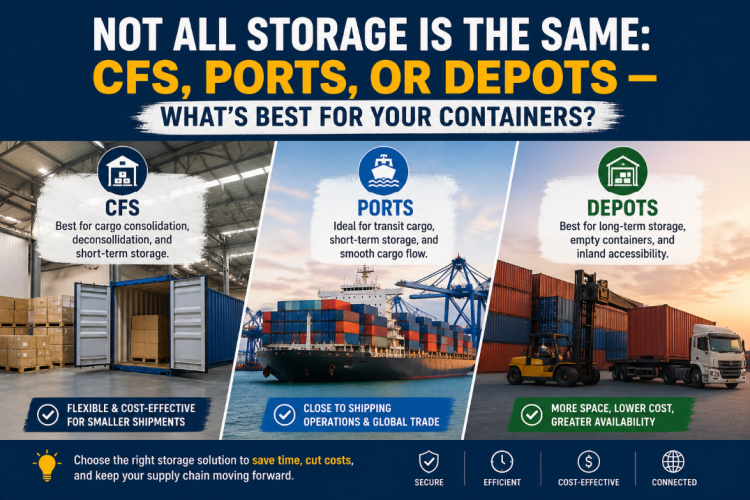
Not All Storage Is the Same: CFS, Ports, or Depots - What's Best for Your Containers?
In global freight logistics, the question of where to store your containers - and for how long - can significantly affect your total shipping costs, customs timelines, and overall supply chain efficiency. Yet many shippers, NVOCCs, and importers treat storage as an afterthought rather than a strategic decision. Three key options exist in the container supply chain: Container Freight Stations (CFS), port-based Container Yards (CY), and off-dock Container Depots. Each has a distinct purpose, cost structure, and operational profile. Choosing the wrong one can mean unnecessary demurrage charges, cargo delays, or missed vessel sailings.
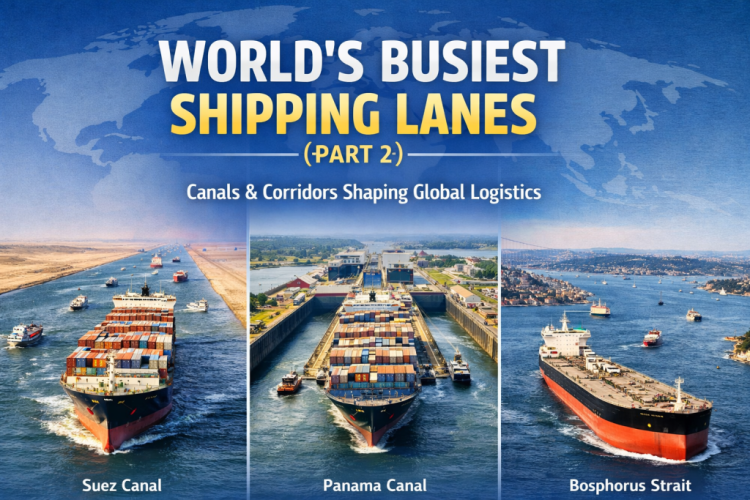
The World's Busiest Shipping Lanes: Engineering Marvels Driving Global Trade - PART 2
Part 2: Bosphorus Strait I Suez Canal | Panama Canal While natural straits dominate global shipping, man-made canals and strategically governed waterways have revolutionised trade routes. These corridors significantly reduce transit time, fuel consumption, and overall logistics costs - making them indispensable to modern container shipping solutions. In this blog, we explore three such corridors.
The World's Busiest Shipping Lanes: Strategic Arteries of Global Trade - PART 1
Part 1: The English Channel | The Malacca Strait | The Strait of Hormuz Global trade depends heavily on a few critical maritime corridors that act as lifelines for international commerce. Among them, the English Channel, the Strait of Malacca, and the Strait of Hormuz stand out as some of the busiest and most strategically important shipping lanes in the world. These routes are essential to container shipping solutions, global freight logistics, and the seamless functioning of the container supply chain. But what exactly flows through them - and what happens if they are disrupted?
A Complete Guide to Specialized Shipping Containers in Global Freight Logistics – Part 2
As global trade expands, businesses increasingly rely on advanced container shipping solutions tailored to specific cargo requirements. Beyond standard containers, several specialized configurations enhance container supply chain performance and improve multimodal logistics efficiency. In Part 2, we explore seven additional container types supporting modern global freight logistics.
A Complete Guide to Specialized Shipping Containers in Global Freight Logistics – Part 1
In today’s dynamic global freight logistics environment, selecting the right container type is critical for cargo safety, operational efficiency, and freight cost optimization. Modern container shipping solutions go far beyond standard dry boxes — they are designed to support intermodal transport, multimodal logistics, and evolving international trade containers requirements. In Part 1, we explore seven essential specialized shipping containers that strengthen the global container supply chain.
Subscribe to